
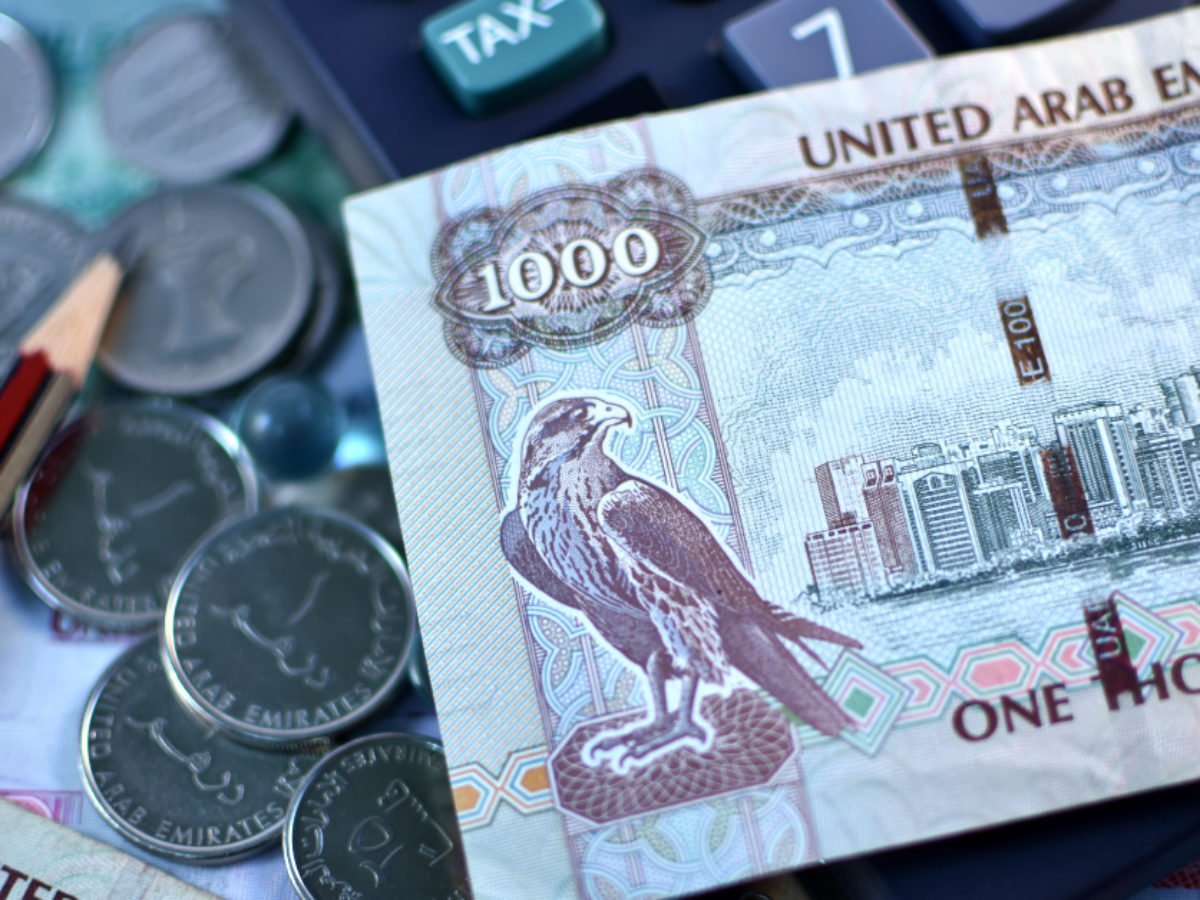
A wave of remittances from expatriates in the Gulf, especially from the UAE where the dirham’s peg to the dollar has exacerbated the currency’s weakness, has been triggered by the Indian rupee’s precipitous decline to a record low versus the dollar.
Since the fourth-largest economy in the world is dealing with trade headwinds, portfolio outflows, and fiscal uncertainty, currency experts warn that the rupee, which has already been weakened by the hefty 50% US tariffs on Indian products, could see further volatility.
On Friday, the rupee had its sharpest decline ever, falling below the critical 88 level to 88.3075 per dollar. The action was taken in response to Washington’s decision to quadruple tariffs on Indian exports, which was expected to worsen investor sentiment and increase India’s trade deficit.
The Reserve Bank of India (RBI) may step in given the violation of the 88 level, which has long been seen as a line in the sand, according to analysts. To preserve export competitiveness, however, most people anticipate that the central bank would permit progressive devaluation.
The rupee will continue to suffer until the uncertainty surrounding US tariffs subsides,” stated Dipti Chitale, CEO of Mecklai Financial Services. “We think that if the RBI helps exporters, it will prioritize stability and not oppose a weaker rupee.
Also Read:
Empowering the Youth with Innovative HR Solutions: Lawrence Lee