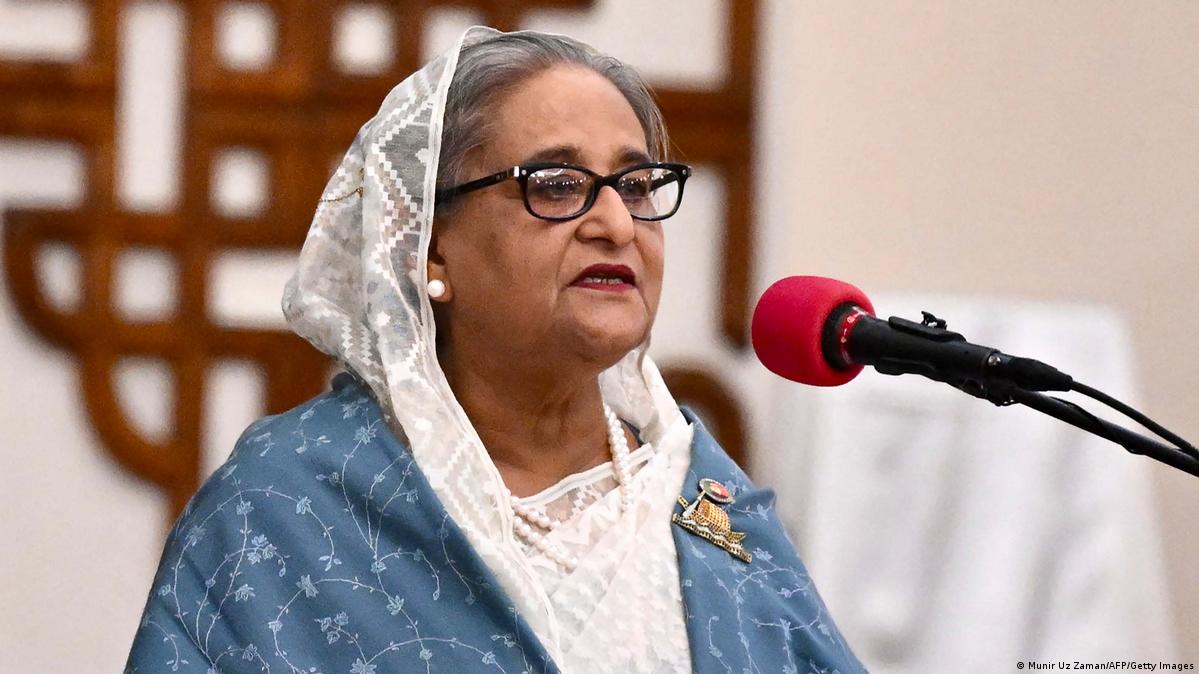
Sheikh Hasina, the former Prime Minister of Bangladesh, has been sentenced to death by a special tribunal in Bangladesh for crimes against humanity related to her crackdown on student-led protests in 2024, which led to widespread violence and her eventual exile in India. The verdict has generated significant international and domestic controversy, with some human rights organizations criticizing the fairness of the trial and the political motivations behind the judgment.
Despite the verdict, India is unlikely to extradite Hasina back to Bangladesh, given the political friendship and complex diplomatic considerations. India’s ruling establishment and opposition both consider Hasina a close ally, and any extradition could damage long-standing relations. The Bangladesh government, led by interim leader Muhammad Yunus, faces the challenge of managing this tense situation as they seeks a credible and peaceful election process in February 2026, amidst regional and international scrutiny.
Hasina currently remains in India and is expected to continue managing her political activities from exile, with her supporters and critics monitoring how the government handles her case amid the upcoming electoral process. The verdict and ongoing legal proceedings highlight the deep political and diplomatic challenges in Bangladesh’s pursuit of justice and national reconciliation.
Also Read:
As The U.S. Shutdown Ends, European Markets Shed Earlier Gains
According to Epstein’s Email, Andrew and Virginia Giuffre Took a Picture