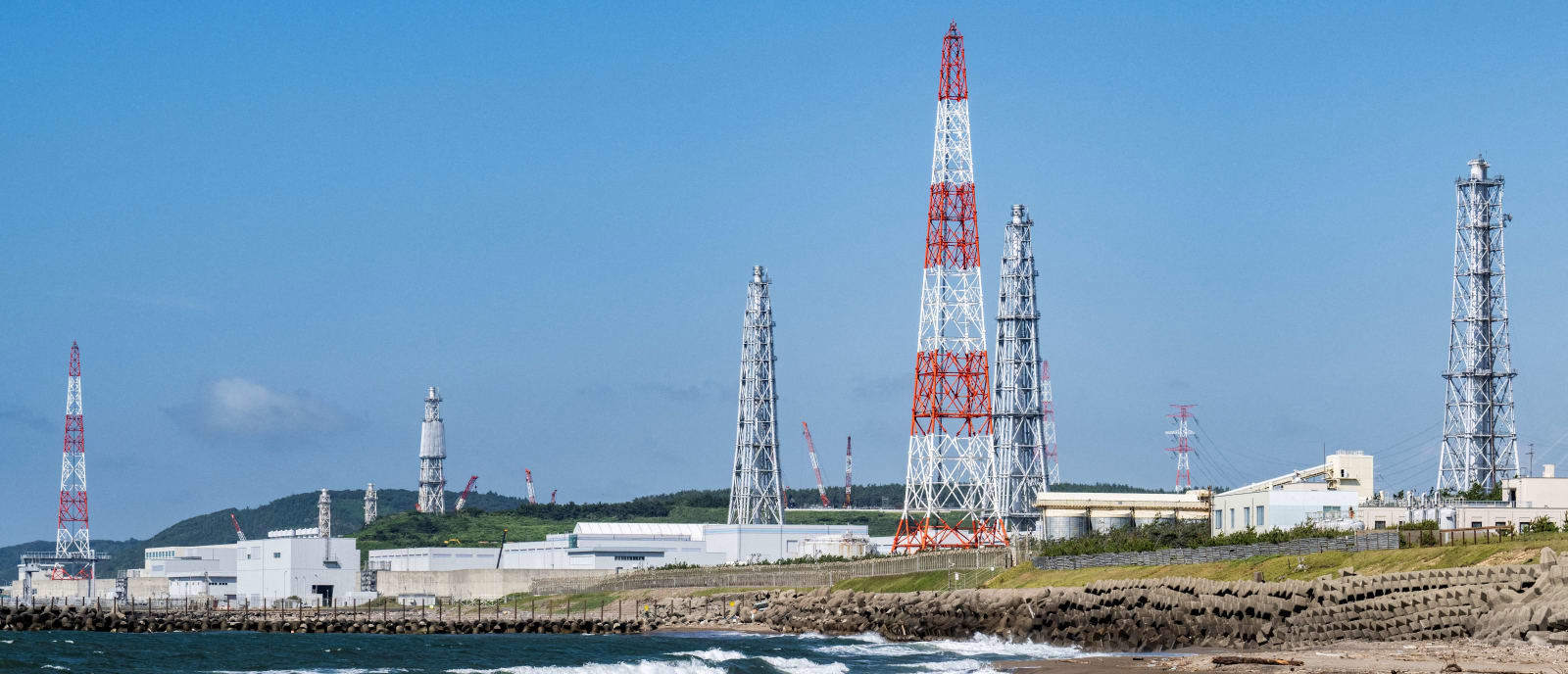
Japan has restarted operations at the world’s largest nuclear power station, marking its first return to service since the Fukushima disaster in 2011 led to the shutdown of all reactors across the country.
Reactor number six at the Kashiwazaki-Kariwa plant, located north-west of Tokyo, was brought back online despite ongoing safety concerns raised by local residents. The restart was delayed by a day due to a faulty alarm, and the reactor is expected to begin commercial operations next month.
Japan, which depends heavily on imported energy, was once a strong supporter of nuclear power. However, in 2011, all 54 of the country’s reactors were shut down after a massive earthquake triggered a nuclear meltdown at the Fukushima Daiichi plant. The incident caused widespread radioactive leaks and became one of the worst nuclear accidents in history.
The restart at Kashiwazaki-Kariwa is part of Japan’s gradual effort to revive its nuclear sector, though progress remains slow. The plant’s seventh reactor is not expected to return to service until around 2030, while the remaining five reactors may be permanently closed. As a result, the facility is operating at only a fraction of its former capacity, which once stood at 8.2 gigawatts when all seven reactors were active.
The Fukushima disaster, which occurred about 220 kilometres north-east of Tokyo along the coast, forced nearby communities to evacuate. Many residents have yet to return, despite government assurances that the area is safe.
Also Read:
King’s Christmas Message Calls for Harmony in a Divided Society
The US Economy is Expanding at its Quickest Rate in Two Years