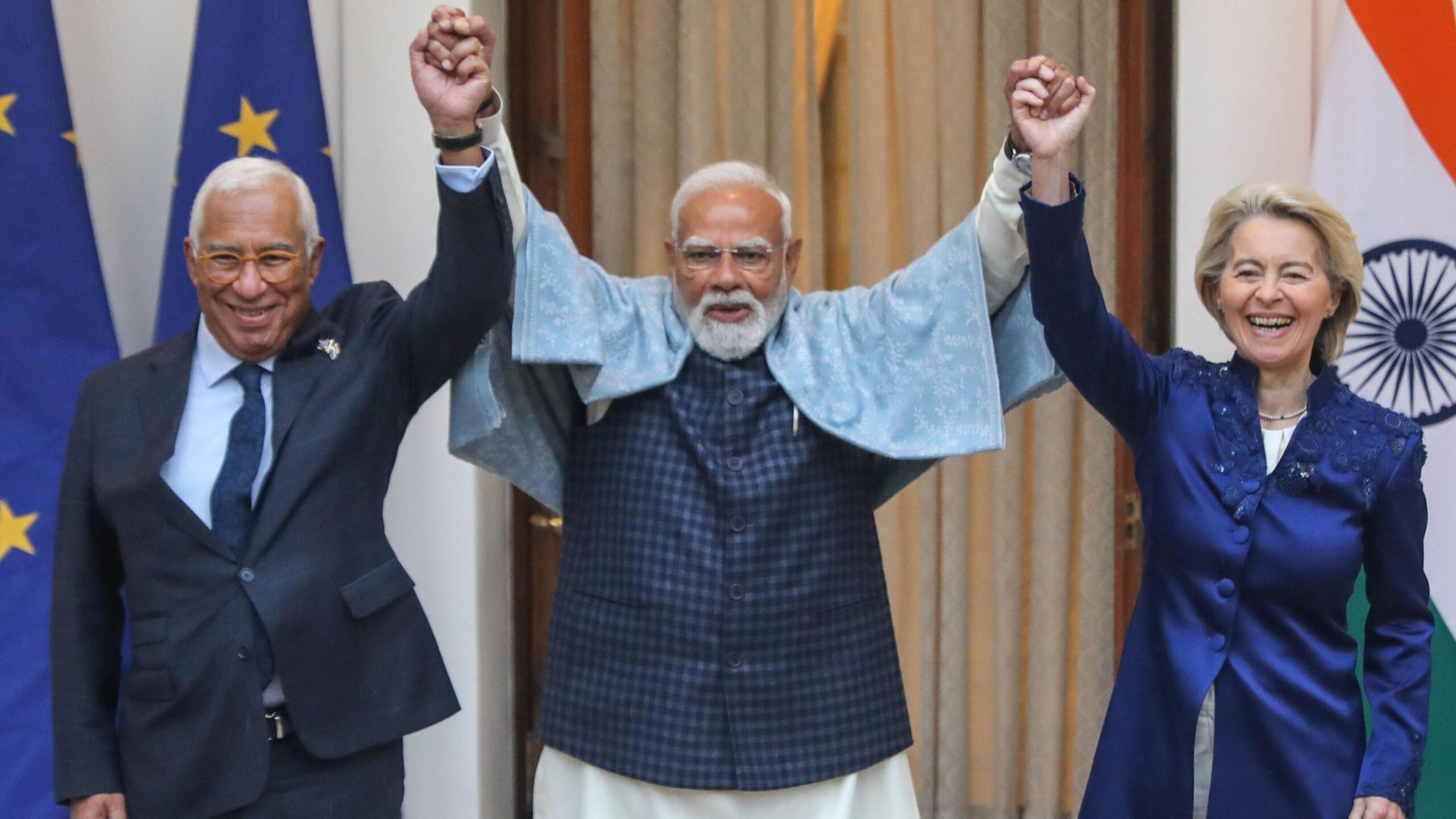
Both geopolitics and transcontinental commercial contacts play a role in the trade agreement between India and the EU. With trade in goods reaching $142.3 billion (£104.07 billion) in 2024, or 11.5% of India’s total trade, the EU is already India’s biggest partner. The ninth-largest trading partner of the EU is India.
Strong relationships are reflected in these astounding numbers. Nevertheless, trade negotiations remained stalled for twenty years. That begs the question: What has changed since then? The rapidly changing global environment and the unpredictability of the US administration under President Donald Trump hold the key to the solution.
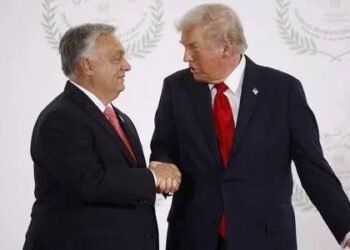
Although the US president has occasionally used tariffs as a negotiating tool, he frequently uses them to penalize nations, including allies, that disagree with his ideology.In addition to a 25% penalty for Delhi’s reluctance to cease purchasing oil from Russia, the US has put 50% tariffs on Indian exports.
Trump recently threatened to impose tariffs on several EU nations after they rejected his proposal to annex Greenland. Although he eventually retracted the warning, experts claim the EU was shaken by it.
Also Read:
King’s Christmas Message Calls for Harmony in a Divided Society