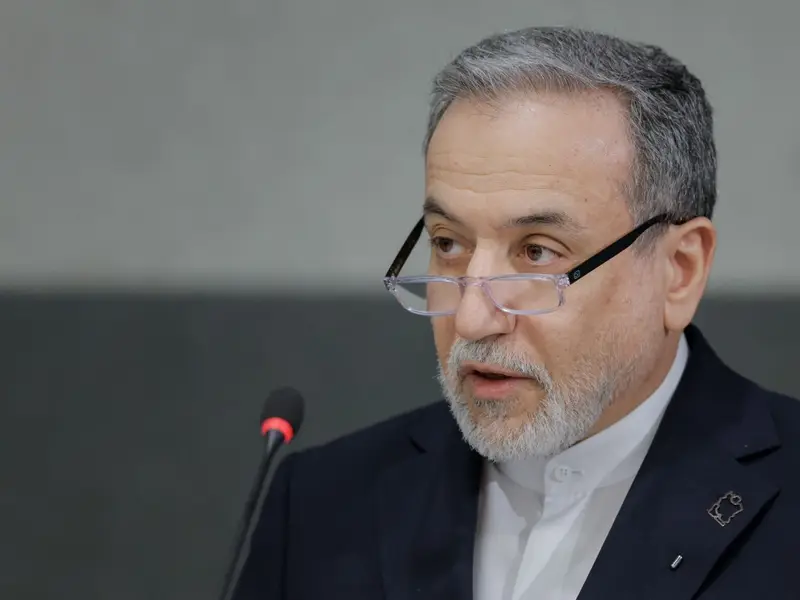
The Swiss city of Geneva has seen the conclusion of a second round of negotiations between the United States and Iran to settle their disagreement over Tehran’s nuclear program. The two nations have agreed on the primary “guiding principles,” according to Iran’s Foreign Minister Abbas Araqchi, but more work has to be done. The United States has not yet responded.
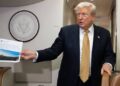
Following Washington’s repeated military threats against Iran due to the country’s nuclear programs and deadly crackdown on anti-government rallies, the indirect talks took place. Ahead of the most recent negotiations, US President Donald Trump told reporters on Air Force One that he thought Iran wanted to reach an agreement. Meanwhile, Tehran’s foreign ministry stated that it thought the United States had adopted “a more realistic one” in its stance on the nuclear problem.
Iran stated that it would concentrate on its nuclear program and the possible easing of US economic sanctions before to Tuesday’s meeting, which was mediated by Oman. In the past, Washington has made it clear that it wants to talk about other topics as well, such Iran’s missile development. Trump framed the negotiations as “very important,” stated that he would be “indirectly” involved, and implied that Tehran was motivated to engage in negotiations this time.
Trump stated that Iran had experienced the costs of adopting a harsh stance during negotiations last summer when the US bombed Iranian nuclear sites, adding, “I don’t think they want the consequences of not making a deal.”Rather than sending the B-2s in to destroy their nuclear capability, we could have reached an agreement. In reference to the stealth bombers that carried out the bombs, the US president stated, “And we had to send the B-2s.” “I hope they’re going to be more reasonable.”
Also Read:
Common Sense Is Not That Common
After a Legal Threat From Disney, ByteDance has Decided to Restrict its AI Video App