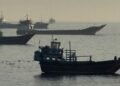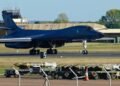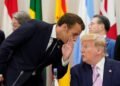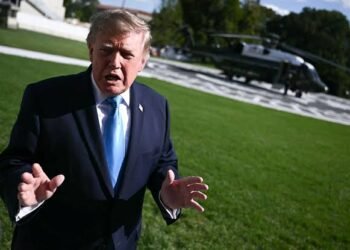
On Thursday, more than 40 nations formed an alliance to ensure unfettered access to the Strait of Hormuz, an essential shipping route for oil exports, after the current high-tension conflict between Iran, Israel, and the US ends. The diverse range of nations shown here is indicative of the global reach of the economic shock wave generated by the canal’s temporary blockage.
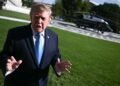
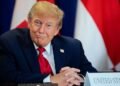
With thousands of ships still stuck in the crucial strait, US President Donald Trump has been putting increasing pressure on European partners to help reopen it. British Foreign Secretary Yvette Cooper convened the initial meeting virtually.According to Cooper’s opening statements, Iran has taken over an international shipping channel and is now using it to manipulate the world economy. She warned of catastrophic interruptions to gas, jet fuel, fertilizers, and the expense of living in general.
A “safe and sustained opening” of Hormuz, which is now subject to a toll system under Tehran’s direct control, would be achieved by the “collective mobilization of our full range of diplomatic and economic tools,” she added, announcing that the global coalition will pursue. New economic sanctions against Iran’s government might be one such instrument. Concurrently, military strategists will investigate demining and escorting options “once the conflict eases.
Also Read:
Toni Moral: Reshaping Perspectives around Bitcoin in a Fun Way with Supermultiverse