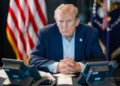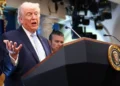
In advance of the negotiations between the United States and Iran that will take place in Islamabad on Friday, one of the most important demands from Tehran will most likely be the release of its frozen assets located outside of the country. Trump will need to consider returning the fortune he previously concealed.
A crucial demand from Tehran will most certainly be the restoration of Iranian assets that have been frozen overseas, despite the fact that the particular specifics of a ceasefire agreement between Iran and the United States, or even a long-term solution, appear to be very much up in the air.
It is possible that this demand will be made in addition to a broader call for the United States to lift all primary and secondary sanctions imposed on Iran. This is based on both the current news on the ongoing negotiations and the history of qualifying their acceptance with the release of monies that have been stored overseas. Iranian enterprises that acquire products and services from overseas suppliers are unable to settle their transactions in euros, yen, or any other currency because successive sanctions packages have prevented the government from accessing these currencies. This has frequently caused the rial to lose significant value.
Treasury Secretary Scott Bessent went so far as to say, during a congressional hearing in February, that the United States purposefully caused a dollar shortage in Iran as a spark for protests. This is because access to foreign currencies is so vital.
We were responsible for the dollar shortage in the country, which peaked in December, when one of Iran’s largest banks failed, prompting customers to rush to withdraw their money. As a result, the central bank was forced to print more money.
Also Read:
From Vision to Impact: Women Leaders Shaping Tomorrow | International Women’s Day