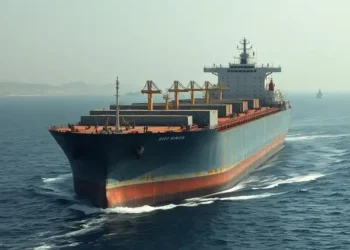
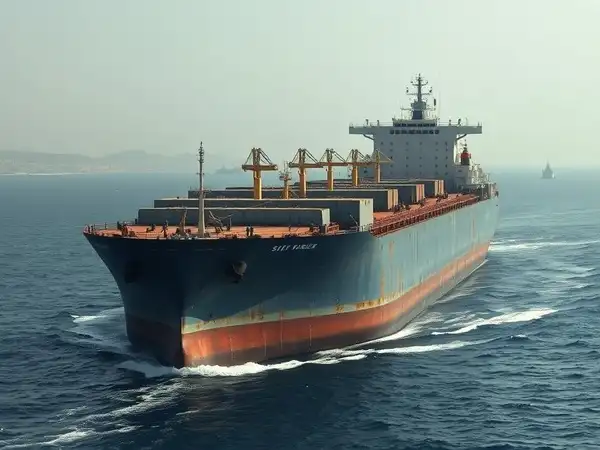
The Greek-owned bulk carrier NJ Earth crossed the strait at 10:44 a.m. CET, while the Liberian-flagged Daytona Beach did so at 8:59 a.m. CET, having left the Iranian port of Bandar Abbas a little more than an hour earlier at 7:28 a.m. CET. The passages are the first confirmed transits under what appear to be the new parameters of the agreement impacting the world’s most crucial energy chokepoint.
Iran’s Foreign Minister, Abbas Araghchi, stated that ships would be allowed safe transit across the strait for two weeks “via coordination with Iran’s armed forces and with due consideration of technical limitations”.
The agreement occurred hours before a deadline set by US President Donald Trump, who had threatened “a whole civilisation will die tonight” unless Iran agreed to open the strait before announcing a truce in exchange for the ceasefire.
According to Lloyd’s List, a famous London-based shipping journal, over 800 ships are currently blocked inside the Middle East Gulf, and shipowners with stranded boats have alerted Lloyd’s that plans are on to begin relocating them as early as Wednesday morning.
Key aspects remain unknown, as Iran claims to have agreed to two weeks of safe passage with “technical limitations,” while Trump has promised a “complete, immediate, and safe opening.
Also Read:
Iran-Backed Houthis Assault Israel as Part of a Conflict
Issam Mhanna: Turning Every Space into Timeless Experiences