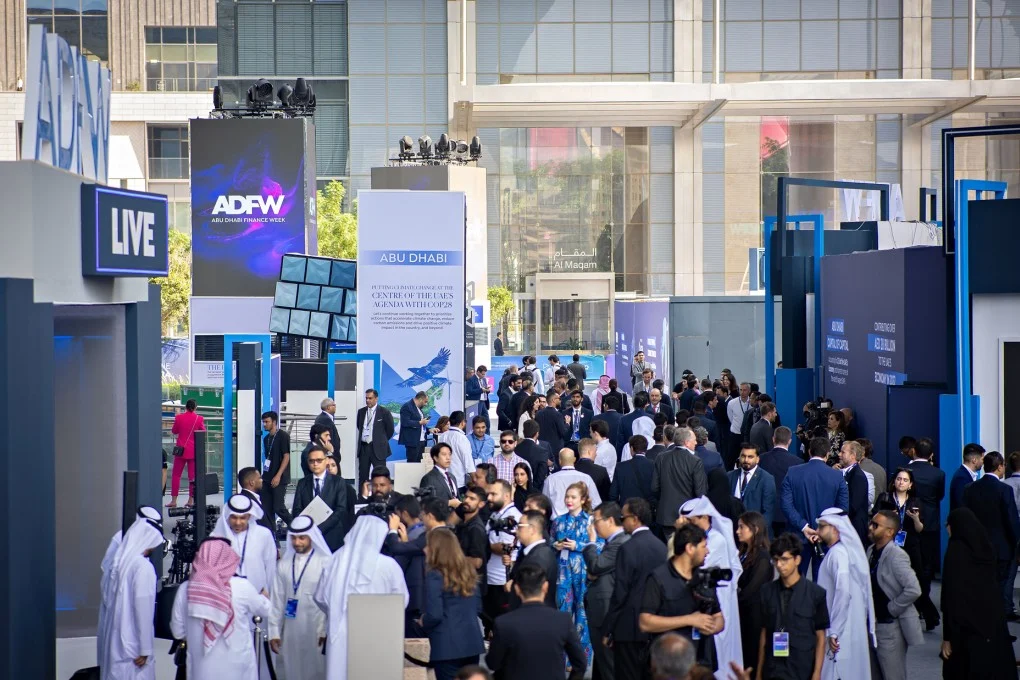
As Abu Dhabi Finance Week draws to a close, the world is characterized by complexity and confined by statecraft; nonetheless, there is an inherent opportunity for those who can connect the global flows of people, capital, and technology.
Few nations have proven this skill as persuasively or clearly as the United Arab Emirates. The United Arab Emirates is now a financial hub where global capital flows are constructed rather than merely channeled. It is located at the crossroads of Europe, Asia, and Africa, not just as a banking or commercial hub but also as a capital corridor connecting continents and economies.
There is no doubt about the evidence. According to a Bank of America forecast, the UAE’s GDP is predicted to rise at a strong 4% annual rate to Dh2.1 trillion in 2025 (up from Dh1.8 trillion in 2024). The fact that non-oil economic activity accounts for more than 75% of overall output the most significant percentage in the country’s 54-year history may be more important.
A diversified economy based on trade, logistics, finance, services, industry, and innovation is reflected in the 5% growth in non-oil GDP in the same year. These are not short-term advantages; instead, they are the direct outcome of decades of forward-thinking planning and unwavering dedication from the UAE’s ambitious and inspiring leadership.
Also Read:
Before His Meetings With the US in Moscow, Putin Intensifies his Demands for Ukrainian Territory
Most Non-EU Visitors Will see a 45% Increase in Admission Rates at The Louvre