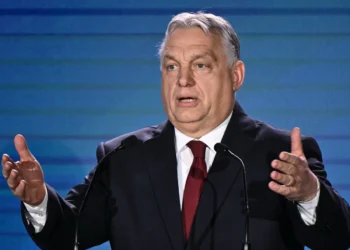
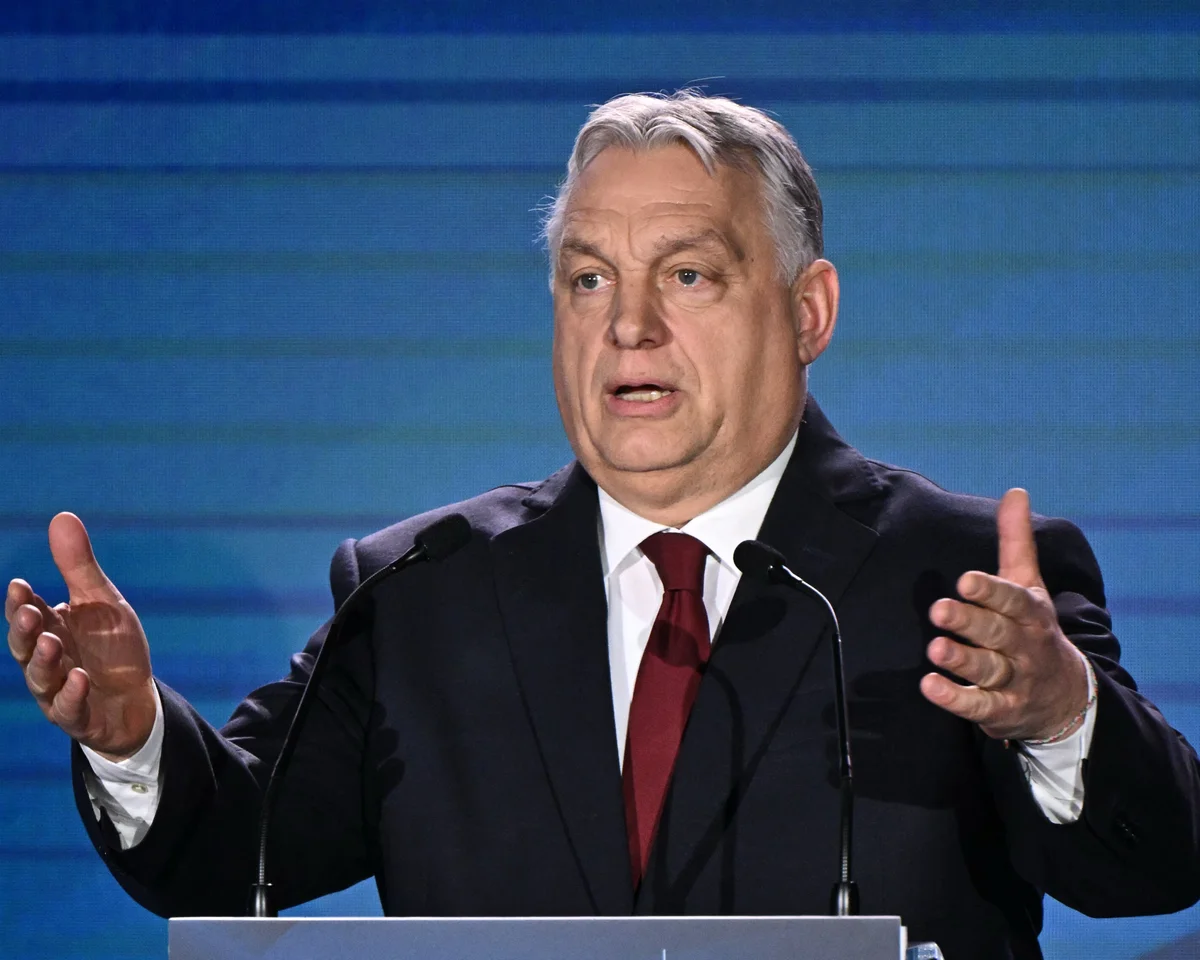
The explosive decision by Hungary’s prime minister to veto the €90 billion loan to Ukraine at the very end of the process poses the most significant threat yet to Costa’s authority and integrity as President of the European Council.
The tensions reached a boiling point during last week’s summit, when leader after leader, including Costa, slammed Orbán for abandoning the agreement that they had all painstakingly reached in a high-stakes meeting in December.
Hungary’s actions are utterly reprehensible. And this behavior cannot be tolerated by leaders,” he said. The president’s involvement was rather harsh, given his friendly attitude and perpetual smile.
Since taking office at the end of 2024, Costa, one of the few socialists remaining at a predominantly right-wing table, has worked to establish friendly relations with all 27 leaders of state and government. That is critical to his job, which lacks executive powers and is largely concerned with establishing leadership coherence and consensus.
Costa’s primary responsibility as president of the European Council is to preside over regular summits and defend the common conclusions that summarize the closed-door meetings. Outsiders may find these findings boring and redundant, but in Brussels, they are almost sacred because they reflect the bloc’s political direction and priorities.
Also Read:
UN Court will Hear a Case Regarding Whether Myanmar Committed Genocide Against the Rohingya
Toni Moral: Reshaping Perspectives around Bitcoin in a Fun Way with Supermultiverse