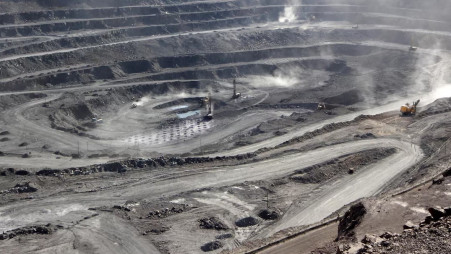
Oil defined much of the last century, but rare earths are increasingly shaping what comes next. As economies electrify and artificial intelligence expands, control over critical materials is becoming a new source of global influence.
For decades, oil sat at the centre of the global economy. It powered factories, transport networks and international trade, and played a major role in deciding which countries prospered and which stayed dependent. Access to crude often meant control over inflation, industrial growth and, at key moments, the direction of major conflicts.
That power has not vanished. Oil prices still have the ability to shake economies. Sharp price rises can feed quickly into inflation, complicate central bank policy and strain government budgets. Energy security remains a constant concern for policymakers, especially during periods of geopolitical tension.
At the same time, the balance of power is slowly shifting. As economies move towards electrification and digital systems spread across industries, a new group of resources is gaining importance. Oil is not disappearing from the picture. Global consumption remains above 100 million barrels a day, and most projections suggest demand will stay strong into the 2030s, even as the energy transition progresses at an uneven pace.
Also Read:
Meet Jo Sakota: Pioneering Natural Food Revolution at Bio Aqua Garden
Meet Ravi Singh: Building Kickin’Inn’s Purpose-Led Hospitality Empire