
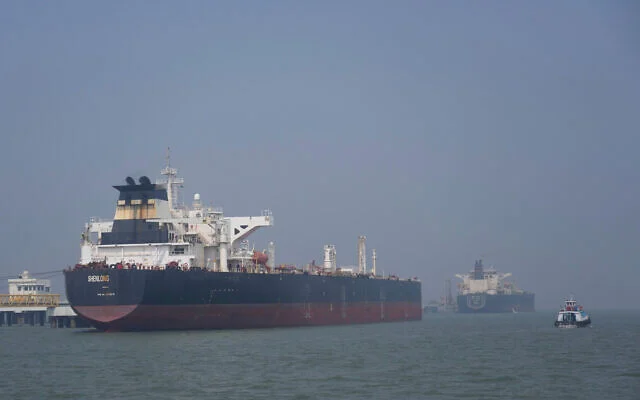
According to trade sources and shipping data, Middle Eastern fuel oil exports are expected to reach their highest level in four months in June, as tanker traffic through the Strait of Hormuz gradually recovers after geopolitical tensions subside and Iraq and Saudi Arabia reroute shipments through alternative ports.
Following an interim agreement between the United States and Iran to alleviate tensions, regional flows are benefiting from a gradual restart of marine activity. The change has also led to lower prices for high-sulfur fuel oil (HSFO) in major trading hubs like Singapore. According to Reuters, which cited data from energy analytics firms Kpler and LSEG, Middle East fuel oil exports are expected to increase by more than 20 percent in June to approximately 2.4 million metric tons, or 508,000 barrels per day.
Volumes, however, remain well below the 5.5–6 million tons pre-disruption range. After a period of heightened geopolitical risk, shipping through the Strait of Hormuz has begun to recover gradually, though flows remain irregular and below historical averages. Rather than a complete restoration of conventional trade patterns, traders claimed the resurgence is a result of cargo rerouting and a partial normalization of shipping lanes.
Also Read:
Trump Endorses Paxton in Texas, Gambling on a Challenger with Baggage in a Crucial Race
The Price Of Gasoline Has Reached Its Peak Since The Iran War Began