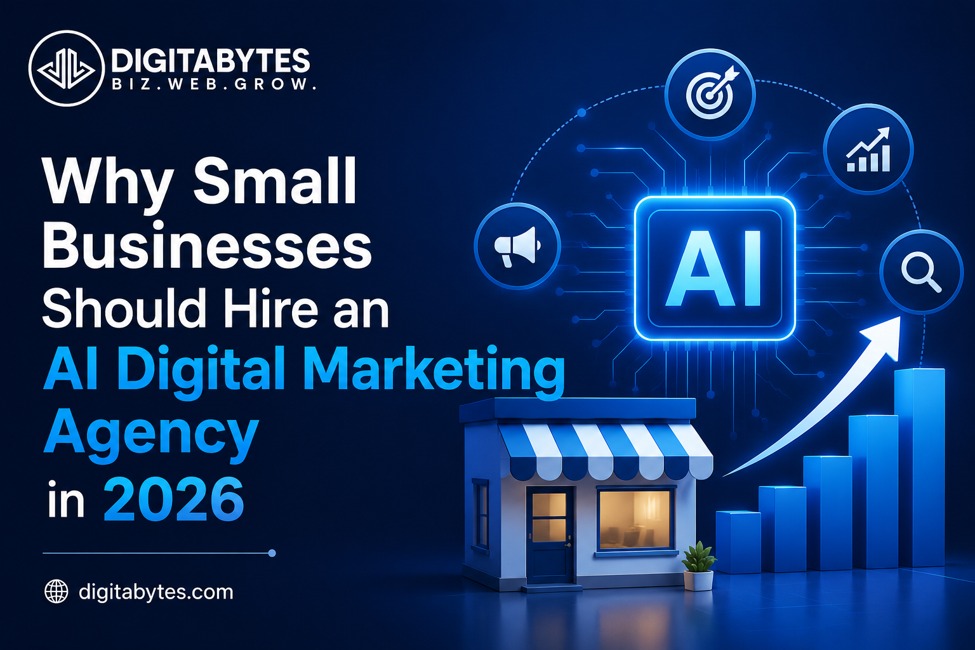
Small business owners have always had to do more with less. Limited budgets, limited time, and usually one or two people wearing the marketing hat alongside five other jobs. That’s exactly why the shift toward AI-driven marketing matters more for small businesses than it does for big brands with entire departments to throw at a problem.
A few years ago, the kind of data analysis and targeting precision available today required a specialist team. Now it’s built into the tools an AI digital marketing agency uses as standard practice. That’s a real shift in what’s accessible to a business running on a modest monthly budget.
The Budget Problem Small Businesses Actually Face
Most small businesses can’t afford to waste money figuring out what works through trial and error. A $2,000 monthly ad budget doesn’t leave much room for a slow three-week testing cycle before you know if a campaign is working.
This is where the gap between traditional and AI-assisted marketing shows up most clearly. Traditional campaigns often need weeks of data before a human team can confidently say what’s working. AI-driven tools can flag early performance signals within days, sometimes less, letting an agency shift budget away from underperforming ads before too much money is wasted on them.
For a business without room to burn cash on guesswork, that speed translates directly into savings.
Targeting That Doesn’t Waste Impressions on the Wrong People
Broad targeting — age range, general location, general interest categories — was standard for years because it was the best tool available. It still works, but it’s inefficient. You end up paying to show ads to a lot of people who were never going to buy anything from you.
An AI marketing agency typically builds more specific audience profiles using behavioral signals: recent searches, site visits, engagement with similar businesses. A local bakery, for example, doesn’t need to reach everyone within a 10-mile radius. They need to reach people who’ve recently searched for catering, custom cakes, or local dessert options. That precision keeps cost per lead lower, which matters a lot more when your budget is tight.
Content That’s Backed by Actual Search Demand
Small businesses often struggle with content because it’s time-consuming and the return isn’t always obvious. Writing blog posts or social content without knowing if anyone is actually searching for that topic is a gamble most small teams can’t afford to keep making.
AI research tools change that by showing what people are actually searching for before any content gets written. This doesn’t replace good writing — a person still needs to shape the message so it actually connects with readers — but it means the topics chosen have a real chance of getting found, instead of being a guess.
Reporting That Actually Makes Sense
One of the more frustrating parts of working with a traditional agency, especially for a first-time client, is getting a report full of numbers with no clear connection to actual business results. Impressions and click-through rates don’t mean much if you can’t tell whether they led to paying customers.
Agencies using AI-driven reporting tools can usually connect specific campaigns to actual revenue outcomes — which keyword, which ad, which email brought in a sale. For a small business owner trying to decide where next month’s budget should go, that clarity makes the decision a lot easier.
What Changes When You Switch to an AI-Driven Agency
Business owners who’ve made this switch usually notice a few consistent changes within the first couple of months:
- Faster answers. Instead of waiting for a monthly report to find out if something worked, updates come sooner and adjustments happen in real time.
- Lower wasted spend. Budget shifts toward what’s converting instead of sitting in an underperforming campaign for weeks.
- More specific targeting. Ads reach people who are actually likely to buy, not just people who technically fit a broad demographic.
- Clearer priorities. Content and campaign decisions are based on actual demand data instead of guesswork.
None of this requires an enterprise-level budget. Most of these tools are already built into standard advertising and marketing platforms — the difference is in how an agency uses them.
Questions to Ask Before Switching Agencies
If you’re a small business owner considering a change, a few direct questions can save you from a disappointing decision:
- How quickly will I know if a campaign isn’t working?
- Can you explain how your targeting is different from standard demographic targeting?
- How does your reporting connect to actual sales, not just clicks?
- Who reviews content or campaign decisions before they go live?
A good agency will answer these clearly and with specifics. Vague answers usually mean the “AI” branding is more marketing language than an actual process.
Is It Worth the Switch?
For most small businesses already spending money on digital ads or content, the answer is generally yes — not because AI is trendy, but because faster testing and sharper targeting tend to save money that would otherwise go toward slow trial and error. The size of the benefit depends on your current setup. A business still relying on broad, untargeted campaigns will likely see the biggest difference.
The goal isn’t to chase every new tool that comes out. It’s finding an agency that uses a handful of proven ones well, paired with people who know how to read the data and make smart calls with it.
Digitabytes works with small and mid-sized businesses to build this kind of data-driven approach without the enterprise price tag. You can check recent client work on LinkedIn or Google, and if you want to see what this could look like for your business, you can get in touch here.
Small budgets need smart decisions, not guesswork. Digitabytes helps small and mid-sized businesses get enterprise-level targeting without the enterprise price tag. Reach us at +91 93159 43766 or sales@digitabytes.com to see what fits your budget.
Also Read:-
Travel Ban For Debt In Saudi Arabia: How It Works (2026)
As The Caspian Sea Attack Clearly Links Qars, Ukraine Rejects Iranian Threats