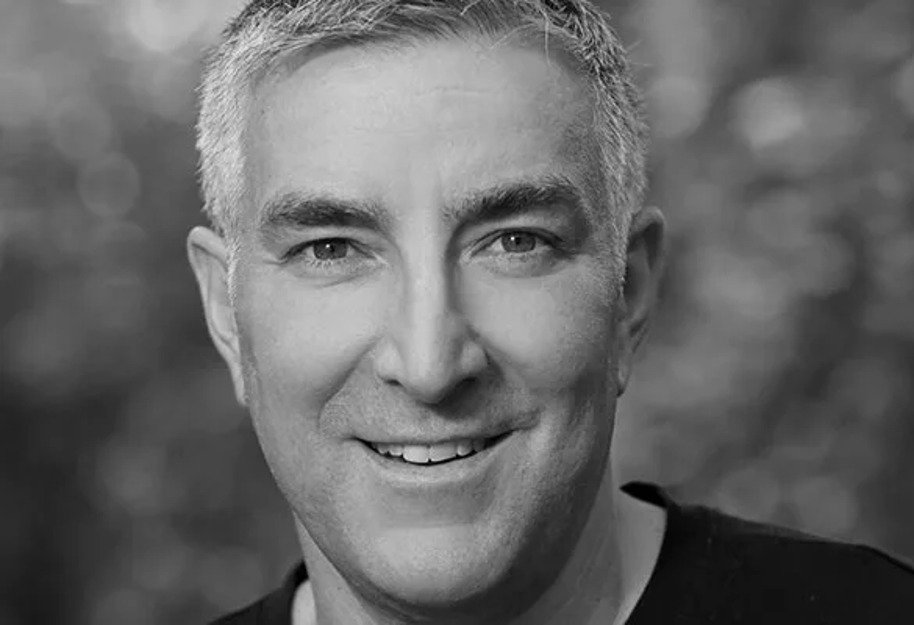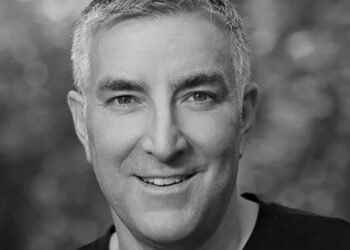
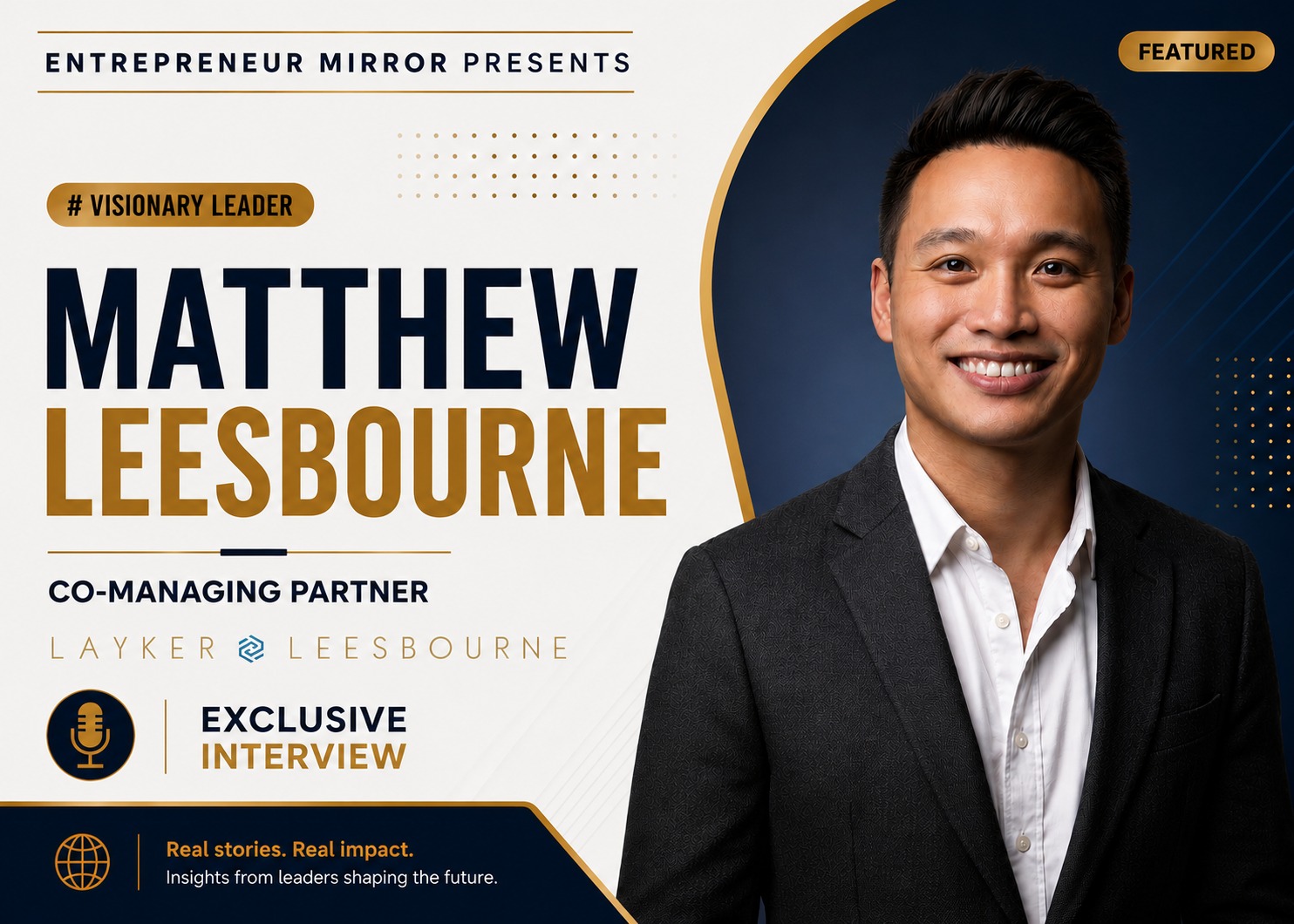
For Matthew Leesbourne, a career that began at 17 as a bellman grew into a broader focus on hospitality, leadership, technology, and human behaviour. Today, through Layker & Leesbourne, he brings these areas together across hospitality, AI, food innovation, entertainment, publishing, and social impact.
We spoke with Matthew Leesbourne about how his work has evolved, the role of technology in business, and his belief that organisations can create both commercial value and meaningful opportunities for people.
The Journey Behind the Work
We began by asking Matthew about the experiences that shaped his approach to business and leadership.
“How did your early career in hospitality shape the way you approach business and leadership today?”
He explained that his professional journey began in hospitality at the operational level as a bellman at the age of 17, before progressing through Front Office, Guest Relations, Rooms Division, Quality Assurance, Learning & Development and Strategic Leadership.
“Working from the ground up gave me an important perspective that continues to influence how I lead today: regardless of how sophisticated an organisation becomes, every commercial outcome ultimately involves people.
Throughout my career, I became increasingly interested in the relationship between human behaviour, guest experience, employee performance, operational efficiency and commercial results. Rather than simply asking what happened, I wanted to understand why it happened, what behaviours contributed to it, and whether those patterns could be identified early enough to influence the eventual outcome.
That thinking gradually expanded beyond traditional hospitality. Today, through Layker & Leesbourne, our work encompasses an interconnected ecosystem across hospitality, behavioural intelligence and artificial intelligence, food innovation, entertainment and experiences, publishing, human development and social-impact initiatives.
Ultimately, whether we are developing a hotel experience, technology platform, consumer product, entertainment concept or social initiative, the fundamental question remains remarkably similar: How can we understand people better and use that understanding to create something of sustainable value?”
From Individual Businesses to an Ecosystem
We then asked Matthew how his work has evolved from individual businesses and projects into a broader ecosystem.
“How has your work evolved over the years, and what led you towards building an interconnected ecosystem rather than focusing on one industry?”
Matthew Leesbourne explained that the biggest change has been moving away from individual businesses and projects towards an interconnected ecosystem.
“Initially, many of our ideas addressed specific opportunities within particular industries. Hospitality addressed guest experiences and operations. Technology addressed intelligence and efficiency. Food innovation addressed consumer markets. Entertainment created experiences and connections. Publishing explored human experiences, leadership and personal development.
Eventually, we recognised that these areas were not as disconnected as conventional corporate structures might suggest.
That became an important part of the philosophy behind Layker & Leesbourne. Rather than simply creating a portfolio of unrelated companies, we are developing an ecosystem in which knowledge, technology, intellectual property, talent, relationships and capabilities can move between enterprises.
Our evolution has therefore been from asking, ‘How do we build successful businesses?’ to ‘How do we build an ecosystem where successful businesses strengthen one another while creating sustainable economic and human impact?’”
Creating Value Beyond the Business
We next asked Matthew Leesbourne how he sees his work contributing beyond commercial success.
“How do you think businesses can create commercial value while also contributing to the wider community and creating meaningful opportunities for people?”
He said the focus is on connecting commercial development with human capability, innovation and social impact.
“We do not believe businesses should simply extract economic value from the environments in which they operate. Wherever possible, they should return something: knowledge, employment, capability, opportunity, innovation and social value.
Through InterventioNow, our philanthropic division, we focus on employability, workforce readiness, skills development, training and reintegration. We want to move beyond simply telling people that they deserve another opportunity. Where possible, we want to help create the structure that makes that opportunity sustainable.
For us, sustainable impact means creating an ecosystem in which businesses perform commercially, employees progress professionally, customers receive meaningful experiences, partners grow alongside us and communities benefit from the economic activities surrounding those enterprises.”
Matthew Leesbourne on What Makes a Strong Leader Today?
Turning to leadership, we asked Matthew Leesbourne which qualities he believes matter most in today’s business environment.
“What three qualities do you believe are most important for leaders trying to succeed in today’s rapidly changing business environment?”
He identified three qualities that have remained important throughout his own experience.
“I would identify adaptability, emotional intelligence and analytical curiosity.
Industries no longer evolve independently. Technology, consumer behaviour, economic conditions, geopolitical developments and social expectations can transform an operating environment remarkably quickly. Leaders must therefore be prepared to challenge established ways of working.
Emotional intelligence is equally important because whether you are operating a hotel, developing technology, managing employees, negotiating with partners or building a consumer brand, ultimately you are dealing with human behaviour.
The third is analytical curiosity. Businesses today possess extraordinary amounts of data. The competitive advantage is no longer simply having information. It is knowing what questions to ask of that information.
Data tells us what is happening. Human observation and behavioural understanding help us understand why.”
Technology Should Solve a Real Problem
We then turned to artificial intelligence and asked Matthew Leesbourne how he believes businesses should approach the rapid development of new technology.
“How do you think businesses should approach AI, and what role should technology play in the future of business?”
He believes the opportunity is significant, but technology should always begin with a clear purpose.
“Technology should never be implemented simply because it is fashionable. The first question should always be: ‘What problem are we solving?’
Artificial intelligence can process enormous volumes of information, identify patterns and support decision-making at a scale that would be impossible for an individual. But human beings still provide judgement, empathy, creativity, context and emotional connection.
The most powerful organisations will therefore not necessarily be those with the most technology. They will be those that understand how to combine machine intelligence with human intelligence.
Technology should provide intelligence. People should provide meaning.”
Creating Opportunities for Second Beginnings
Finally, we asked Matthew Leesbourne about the role businesses can play in helping people overcome difficult circumstances and build a new professional future.
“What can businesses do to create meaningful opportunities for people whose personal circumstances or past experiences may have made their professional journey more difficult?”
Matthew Leesbourne spoke about the importance of looking beyond a person’s past and recognising what they are capable of becoming.
“A person’s past should not automatically determine the opportunities available in their future.
Whether someone comes from a disadvantaged family environment, has experienced incarceration or substance dependency, survived abuse, or simply lived outside what society considers a conventional pathway, our first question is not, ‘What happened to you?’ It is, ‘Who are you today, what are you genuinely capable of, and what can we build from here?’
We do not believe in creating opportunities purely from sympathy. We believe in creating opportunities based on potential, capability, accountability and the willingness to progress.
Businesses have the capacity to create more than employment. They can create second beginnings.
If an individual possesses the capability, commitment and genuine willingness to move forward, their background should provide context to their story, not become the permanent definition of their future. For us, opportunity begins by seeing the person first.”
Conclusion
Matthew’s approach ultimately brings his commercial and social thinking together. Whether the work involves hospitality, technology, food, entertainment, publishing or workforce development, the underlying question remains the same: how can businesses create value while also creating opportunities for people?
His answer is captured in the philosophy behind Layker & Leesbourne: “Purpose Beyond Profit. Innovation Beyond Industries. Humanity Beyond Generations.”
Connect with Matthew Leesbourne on LinkedIn and visit his website to explore his work across business, innovation, hospitality, technology, and social impact.
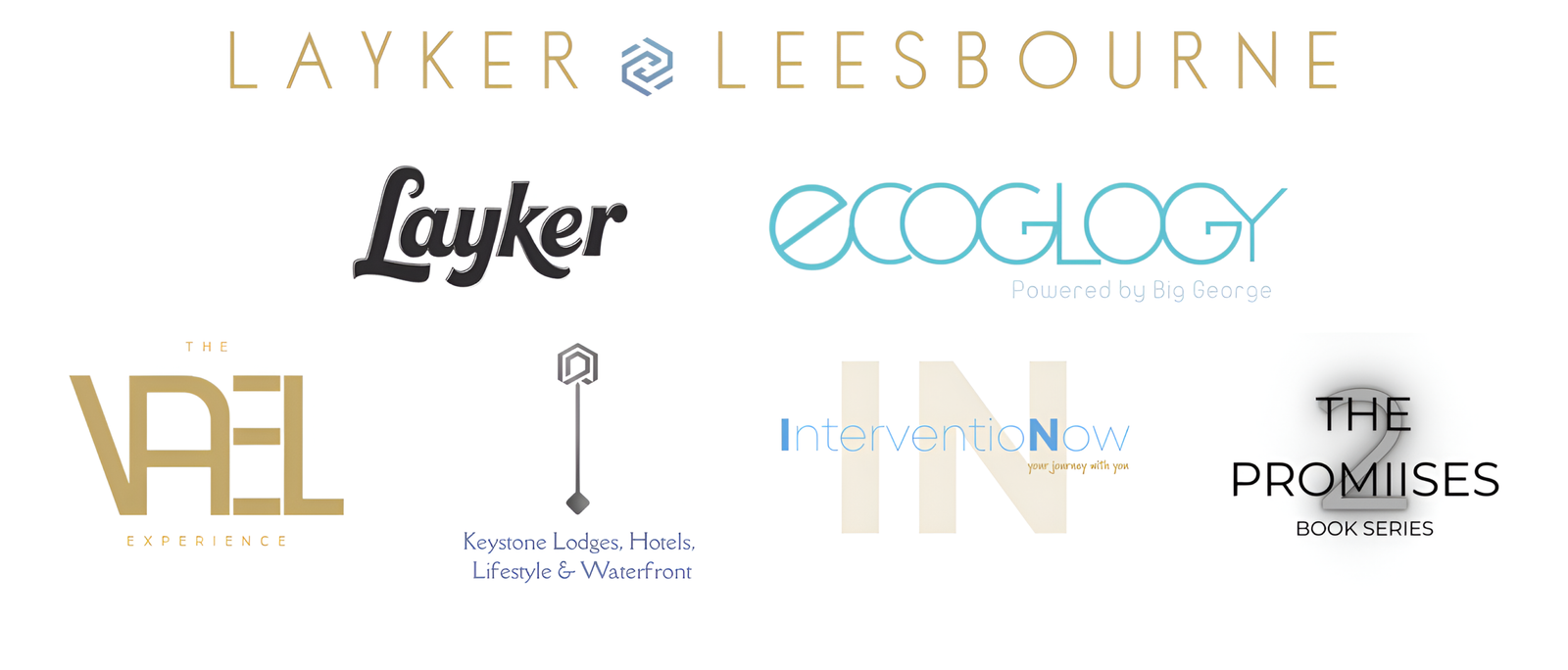
Brands of
Also Read:-
Didin Nasirudin: PR, Politics & Geopolitics
The Founder’s Path: Nils Ehle And The Rise Of Human-First AI