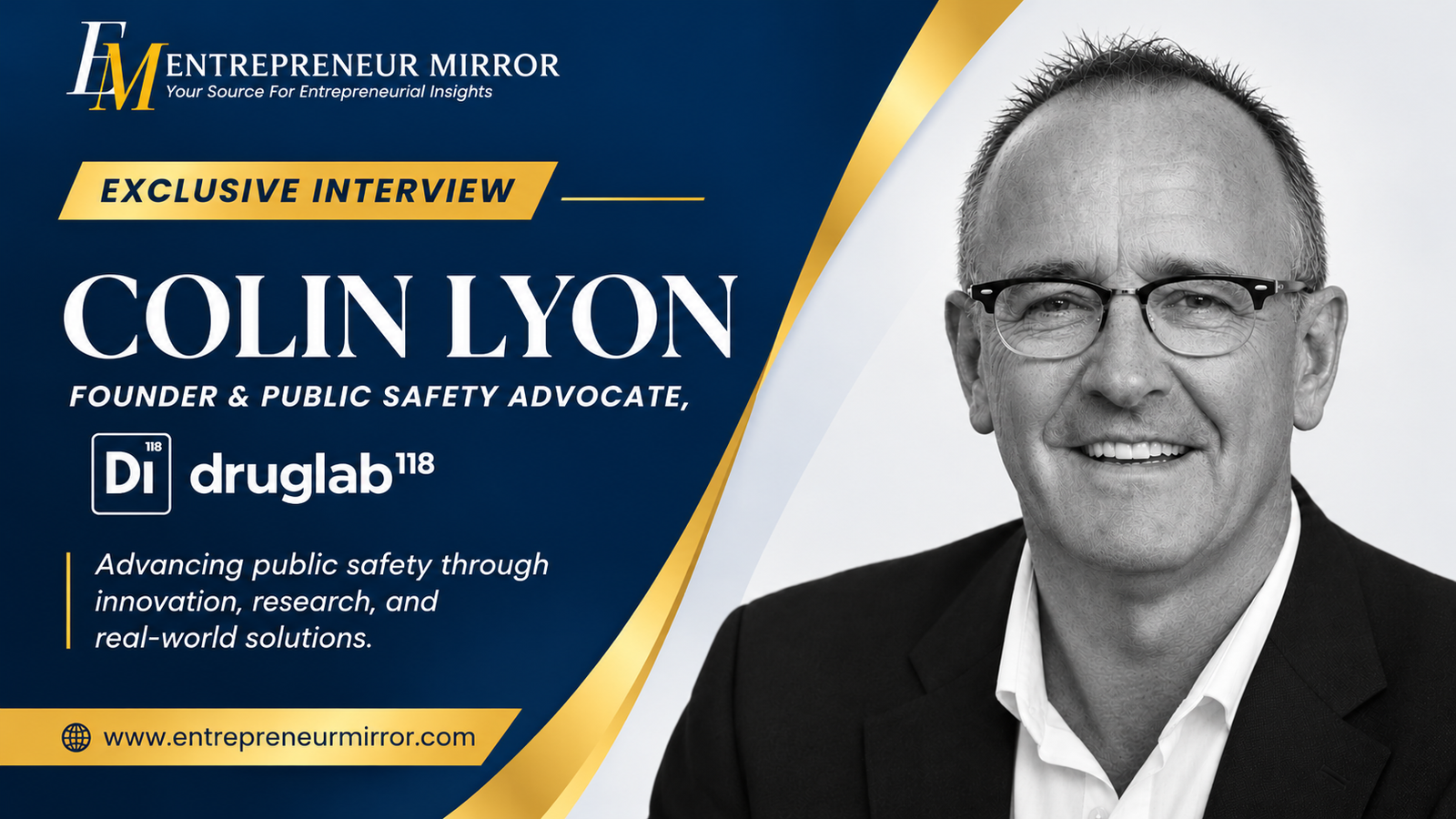
Public safety is not just about responding when something goes wrong. It is also about recognising risks, having the right tools to act, and creating environments where people look out for one another. This is the thinking behind druglab118, a public safety organisation established in 2003 with a mission to create a safer society.
The organisation develops rapid detection tests for drink spiking, drugs, and fentanyl, with location sharing built in. But its work extends beyond the products themselves. Through its wider movement, druglab118 encourages individuals, venues, institutions, and communities to take shared responsibility for one another’s safety.
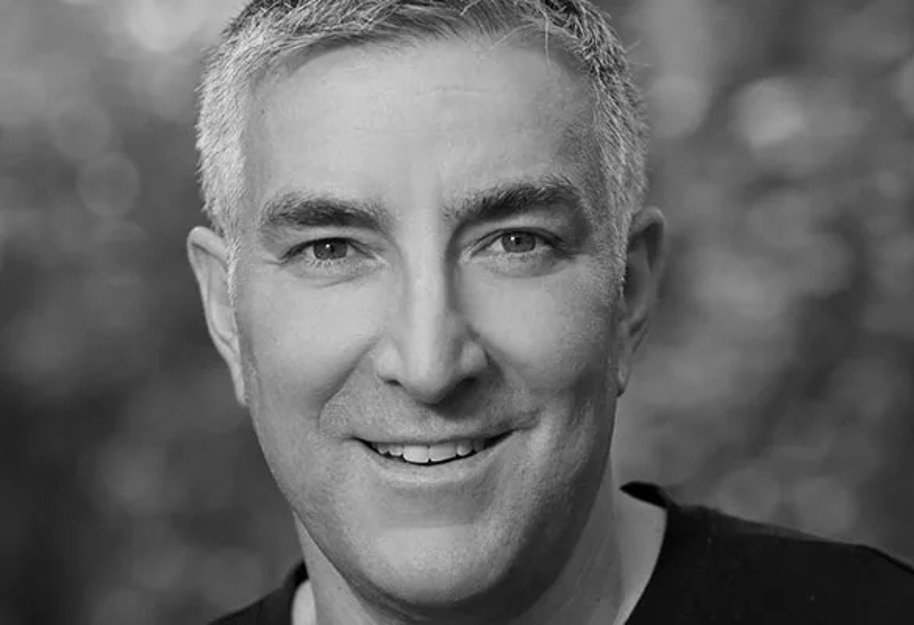
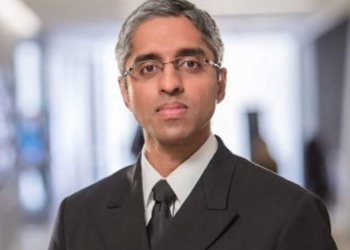
Colin Lyon, who joined the organisation in 2010, became a partner and relaunched the business in 2013. His involvement began with a personal concern for his daughter’s safety and gradually developed into a broader commitment to public and social safety.
We spoke with Colin about the experiences that shaped his mission, the role of technology in preventing harm, and his ambition to make looking out for one another a normal part of everyday life.
Here is what he shared with us.
A Personal Mission
When we asked, “What inspired you to join and relaunch druglab118?,”, Colin traced it back to a concern many parents can understand: keeping their children safe while allowing them the freedom to explore the world.
“I joined the company voluntarily in 2010, became a partner, and relaunched the business in 2013. The story behind that decision is personal.
My daughter was growing up in Amsterdam, where you could find almost anything if you knew where to look or whom to ask. Add a young teenager who believed she was indestructible, and you can imagine the challenges that came with parenting. I wanted to find practical ways to help keep her and her friends safe as they explored the city.
I began thinking about a kind of social safety toolkit that everyone could use. In 2010, I came across Bloomsbury Innovations, a London-based technology company that had been specialising in substance detection since 2003. I arranged a meeting, and that was the beginning of my journey with druglab118.” replied Colin Lyon.
Beyond Detection
We further asked him, “What Led to druglab118’s Transformation in 2025?”
For Colin Lyon, the decision to broaden druglab118’s mission came from recognising that drink spiking cannot be addressed through detection alone.
“Drink spiking is a symptom of a much larger social problem. It connects to the online radicalisation of young men, with increases in sexism, misogyny, the exploitation of women. Women continue to face abuse and violence simply because they are women, and these issues cannot be addressed through detection technology alone.
The internet and social media have also changed the environment in which young people grow up. Children can encounter harmful content at an early age, including online communities that promote hatred towards women. Tackling this problem requires a much broader response than any one organisation or technology can provide.
We also live in a society where drugs and alcohol are part of everyday social life, yet we have not always made safety an equally normal part of it. Governments and law enforcement agencies have important roles to play, but they cannot address every situation on their own.
Across towns and cities, there are people and local groups already working to raise awareness and protect their communities. That matters because safety is not only about what happens after an incident. It is also about what we do before going out, how prepared we are, and whether we look out for one another.
As my own understanding of these issues developed, I took a step back and reconsidered the purpose of druglab118. I realised that safety does not begin at the cocktail bar. It begins with how we think and behave.
We need to make safety part of our lifestyle, both personally and collectively. Just as we wear a seatbelt or use a condom to reduce risk, we should be comfortable taking practical steps to protect ourselves and others.
Creating a social safety revolution has become my mission, and the mission of druglab118.”
This shift reflects a wider understanding of safety: prevention must begin before an incident occurs, and responsibility must extend beyond the person at risk.” he added.
Making Safety a Shared Responsibility
When discussing how this vision can become reality, Colin returned to a simple principle centred on kindness and action. When we asked, “How Does druglab118 Aim to Create a Safer Society?” Colin stated:
“We start with a simple human principle: any good we can do, or any kindness we can show another person, we should do now.
Our vision is a world where personal and collective safety are normal parts of everyday life. Until we reach that point, each of us has a responsibility to notice when someone may need help and decide to act.
We are also committed to developing better technologies to support safety. This includes substance detection based on forensic science, digital and AI technologies, and partnerships with organisations and communities.
Together, these tools can help individuals, groups, towns, cities, and countries take a more active role in their safety. Making detection more widely available can also help create a deterrent.
Most importantly, we want to move away from victim-blaming. People should never be made to feel that an incident was their fault because they did not test a drink. Our goal is a world where testing is readily available and using it is considered normal, not suspicious.”
For Colin, meaningful change requires both accessible technology and a cultural shift in how people think about personal safety and their responsibility towards others.
From Reaction to Prevention
Technology remains central to druglab118’s work. Its rapid detection tests are designed to help identify drink spiking, drugs, and fentanyl, while built-in location sharing adds another layer of support by helping people share their whereabouts when safety becomes a concern.
For Colin Lyon, the value of detection goes beyond identifying a substance. It can help establish evidence, encourage prevention, and give people greater confidence to respond when something does not seem right.
We asked Colin,“How Is Your Detection Technology Improving Public Safety?”With that, he stated, “Our technology provides evidence and helps people establish what has happened. When detection is available at the point of consumption, it can also act as a deterrent by making it harder for someone to assume they will get away with spiking a drink.
We need to move from reacting to incidents towards preventing them wherever possible. Having access to reliable testing can help people take action with greater confidence when something does not seem right.
It is also important that people affected by drink spiking are believed and supported. Technology can help establish evidence, but it must work alongside a culture in which people are willing to listen, take concerns seriously, and help.”
His approach places detection within a larger public-safety framework, where evidence, prevention, and support work together rather than in isolation.
The Power of Noticing
We wanted to learn what’s Colin’s vision when it comes to his work. Hence, we asked, “What Is the Message Behind ‘Would You Notice?”
He stated, “It is a question about kindness, not suspicion.
Safety can begin with something as simple as noticing another person and choosing to act. The manifesto asks all of us to consider whether we would notice someone in difficulty, believe them, stay with them, help them, and do something in that moment.
These are five simple questions: Would you notice? Would you believe them? Would you stay? Would you help? Would you do it now?
Our hope is that people answer all five with the same promise: I will.
Our detection technology remains fundamental because it helps us establish what is real. But we do not want to lead with products. We want to lead with our beliefs.”
“People who look out for one another make the world safer. Our role is to support them with the tools, technology, and partnerships they need to act.”
The manifesto captures an important distinction in his approach: the goal is not to make people suspicious of one another, but to encourage them to be more attentive, supportive, and prepared to help.” Colin Lyon further added.
Overcoming the Invisible Problem
When asked, Colin explained that one of the biggest obstacles is that drink spiking is difficult to identify and often goes unreported.
“One of the biggest challenges is that drink spiking is deliberately difficult to see. In the UK, many incidents go unreported, which has made it difficult to communicate the scale of the problem and persuade people to invest in solutions.
There has also been a perception that testing a drink is an act of suspicion, as though you are accusing someone of doing something wrong. We have had to change that conversation. Testing should be seen as an act of care, much like being a designated driver. It is something you do because you want people to be safe, not because you distrust them.
The technology itself has presented another challenge. Our tests need to meet forensic standards while remaining simple enough for anyone to use within seconds in a dark, noisy bar. Achieving that balance between accuracy, speed, ease of use, and affordability has taken years of work.
Finally, there is still no widespread detection infrastructure for drink spiking. Breathalysers helped change attitudes towards drink driving, and CCTV has become an established tool in public safety. Drink spiking has not yet reached that point. We have had to build awareness and establish partnerships with venues, universities, and police one step at a time.”
His experience highlights two connected challenges: making reliable testing practical in real-world settings and changing public attitudes so that using it becomes an accepted safety measure.
Stronger Together
We wanted to learn what partnership means to Colin Lyon and how he thinks this makes his work better. Hence, we asked, : “How Can Partnerships Strengthen Public Safety?”
“No single organisation can make society safer on its own. Governments and law enforcement agencies have limited resources, while individual acts of kindness cannot carry the entire responsibility either. Partnerships help bring these efforts together.
Imagine a university making testing available during freshers’ week, a venue training its staff to recognise when someone needs help, and local police and community groups working towards the same standards.
These efforts help create places where people know what support to expect. They also make it easier for someone who notices a problem to take action rather than wonder what to do next.
When institutions and communities work together, safety becomes more than an individual responsibility. A local initiative can gradually become part of everyday life, helping establish a consistent approach across different places and communities.”
The idea is to make safety easier to act on. When people know how to respond and where to find support, individual efforts can become part of a broader culture of prevention. Mentioned Colin Lyon.
A Decade of Change
Looking ahead, Colin sees the next decade as an opportunity to make safety a normal part of everyday life, supported by accessible technology and collective action.
“We believe a safer world is built through acts of kindness by people who choose to act now.
Our long-term vision is a world where looking out for one another is as normal as wearing a seatbelt. We want safety to become an everyday habit rather than something people think about only after something goes wrong.
We have developed a ten-year roadmap covering 2026 to 2035, divided into three phases.
The first is Foundation, during which we aim to establish and demonstrate the model through partnerships with universities, venues, and police in places where the need is greatest.
The second is Expansion. This means taking testing beyond bars and festivals into everyday environments, including hotels, travel, workplaces, and homes.
The final phase is Normalisation, when testing is no longer seen as something unusual but as a regular part of staying safe.
Substance detection will always be at the heart of what we do. But our ambition is broader than a product or a test. It is about supporting the entire journey of safety: helping people trust their instincts before something happens, giving them greater certainty when they need it, and ensuring that no one is left alone afterwards.
We want to create a change in behaviour, not simply grow sales. History shows that social attitudes can change when people collectively decide that something is no longer acceptable. We have seen this with drink driving and smoking, where changes in public behaviour have contributed to substantial long-term reductions.
We want the same shift to happen around drink spiking and substance-related harm. Our ambition is a society where people are prepared to notice, believe, and help, and where those who intend to cause harm can no longer assume that nobody will act.
Ultimately, a safer society is not built by technology alone. It is built when technology, communities, institutions, and individuals work together, and when helping another person becomes a natural response rather than an exception.” Colin concluded.
Colin Lyon’s work with druglab118 reflects a belief that public safety requires more than effective detection tools. It calls for accessible technology, stronger partnerships, and a change in how people respond to one another. With its rapid detection tests, built-in location sharing, and wider community mission, druglab118 is working towards a society where safety is not left to chance and looking out for others becomes part of everyday life.
Connect with Colin Lyon on LinkedIn and visit the druglab118 to learn more about his work in public and social safety.
Also Read :-
Canor Aether Infinitum: Shaping the Future of Digital Intelligence
Leading Middle East’s E-Commerce Growth: Tolga Neftci’s Journey