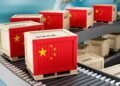
The White House has stated that although patented medications will be subject to a 100% tariff when they enter the US, businesses can still escape the levies by reaching agreements with the administration.
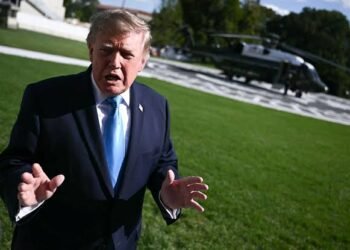
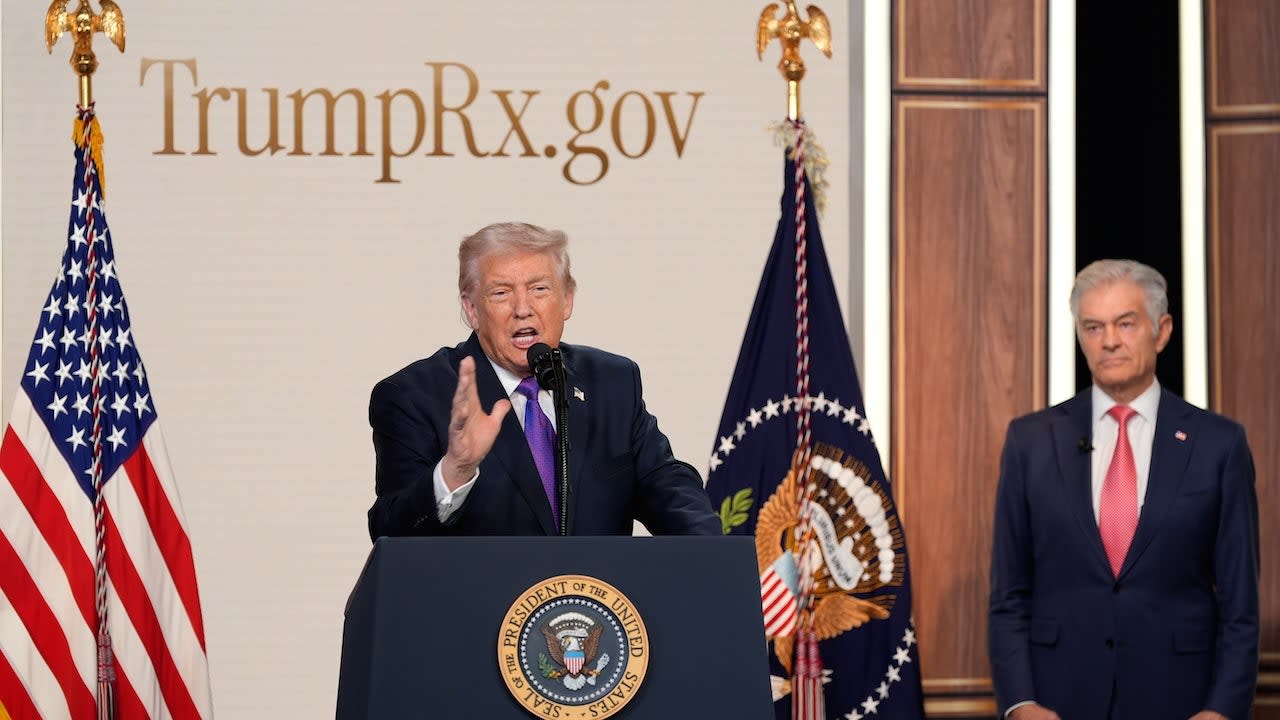
On Thursday, US President Donald Trump issued the long-awaited levies. According to the White House, the tariffs were intended to lower national security threats by increasing US production of essential medications.
Since the change does not apply to generic medications, the most widely used in the United States, its significance may currently be primarily symbolic. Many of the largest pharmaceutical companies have already reached arrangements that will exempt them from the taxes, and more are anticipated to follow in the coming weeks.Sean Sullivan, a professor at the University of Washington and London School of Economics, stated that the objective is to get the other corporations to the negotiating table. “It’s all about leverage.
The White House stated that companies would only be subject to a 20% tariff on their medications if they agreed to start new manufacturing in the US before Trump’s term ends in January 2029.
If businesses reach pricing agreements with the government, the tariff would become zero. Companies have already agreed to sell some of their medications to government health insurance programs like Medicaid at costs similar to those in other international marketplaces.
Also Read:
Iran-Backed Houthis Assault Israel as Part of a Conflict
Issam Mhanna: Turning Every Space into Timeless Experiences