Late last year, the final car rolled off the assembly line at Volkswagen’s “Transparent Factory” in Dresden, east Germany, designed to represent the zenith of European economic prowess. Thousands of miles away in Spartanburg, South Carolina, a separate German behemoth, BMW, operates its largest plant in the world.
The discrepancy between the two factories sheds light on a long-standing issue for economists: why has the American economy persisted to outperform so many of its counterparts despite the same global shocks?
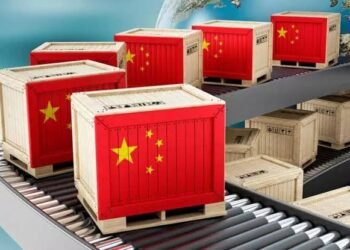
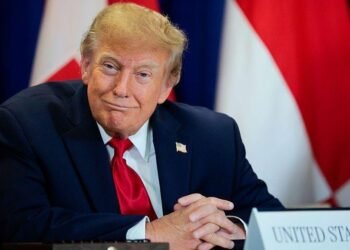
Over the last few years, most of the industrialized world has crumbled under a series of shocks. Trump’s broad tariffs have hampered international trade. Mass deportations are reshaping labor markets. And the Middle East turmoil has sent oil prices soaring.
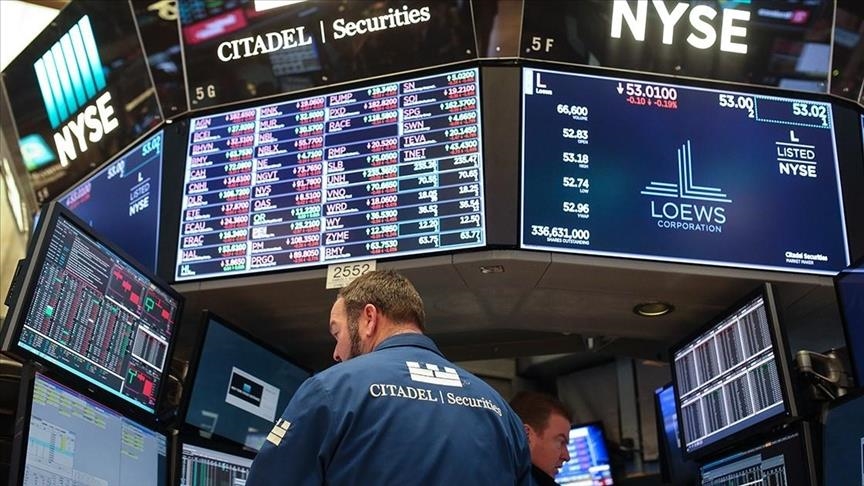
Many economists predicted that these forces would have a significant impact on the United States. Instead, the economy has grown steadily. Inflation has been stubborn at times, but the combination of slow growth and consistently rising prices that many predicted has not occurred.
According to RSM’s senior economist, Joe Brusuelas, the trade war has proven America’s resiliency.The Trump administration’s own aims for trade and immigration are probably the finest indication of the American economy’s fundamental vitality,” he argues. Faced with a surprise tax on foreign components, US firms did not accept lower profits; instead, they invested more aggressively.
Also Read:
Turkish Court Removes Leader of Largest Opposition Party
Rubio: Cuba Is Challenge To U.S., Havana Says Rubio Is Lying