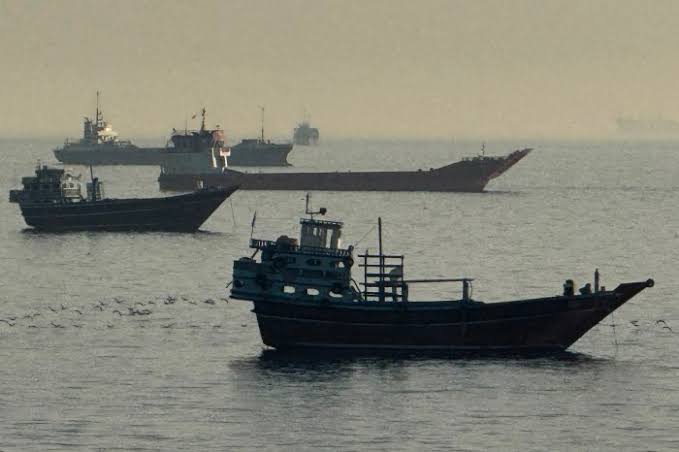
Experts say the threat to ships carrying oil in the Middle East has reached its peak since the Iran conflict began, following a series of strikes on another vital route in the region. The warning follows a series of attacks on vessels in the Red Sea, an alternate channel used by some tankers since Iran sealed the Strait of Hormuz.
Iran rejected conversations with the US to reopen the strait, but stated that it is negotiating with Oman to secure the maritime passage.In terms of the threat to petroleum commerce, we’re in the worst situation we’ve been in since the crisis began,” said Matthew Wright, an analyst with ship tracking service Kpler.
According to Kpler, the number of ships transiting through the Strait of Hormuz was only eight on Sunday and 11 on Saturday, down from more than 100 every day before the war. Prior to the conflict, almost 20% of the world’s oil and gas went through the strait.
The temporary peace agreement with the United States reached in early June caused numbers to rise again, but the restart of strikes between the two countries about a month later drastically curtailed travel.
Also Read:
Deadly Ukrainian Strikes Target Russian Online Retail Warehouses
China “Firmly Opposes” British Steel’s Nationalization by the UK