Iran launched missiles and drones at Israel overnight in reaction to Israeli attacks on Hezbollah in Lebanon, but the attack appeared to have little immediate military impact. The political significance, however, could be substantially greater.
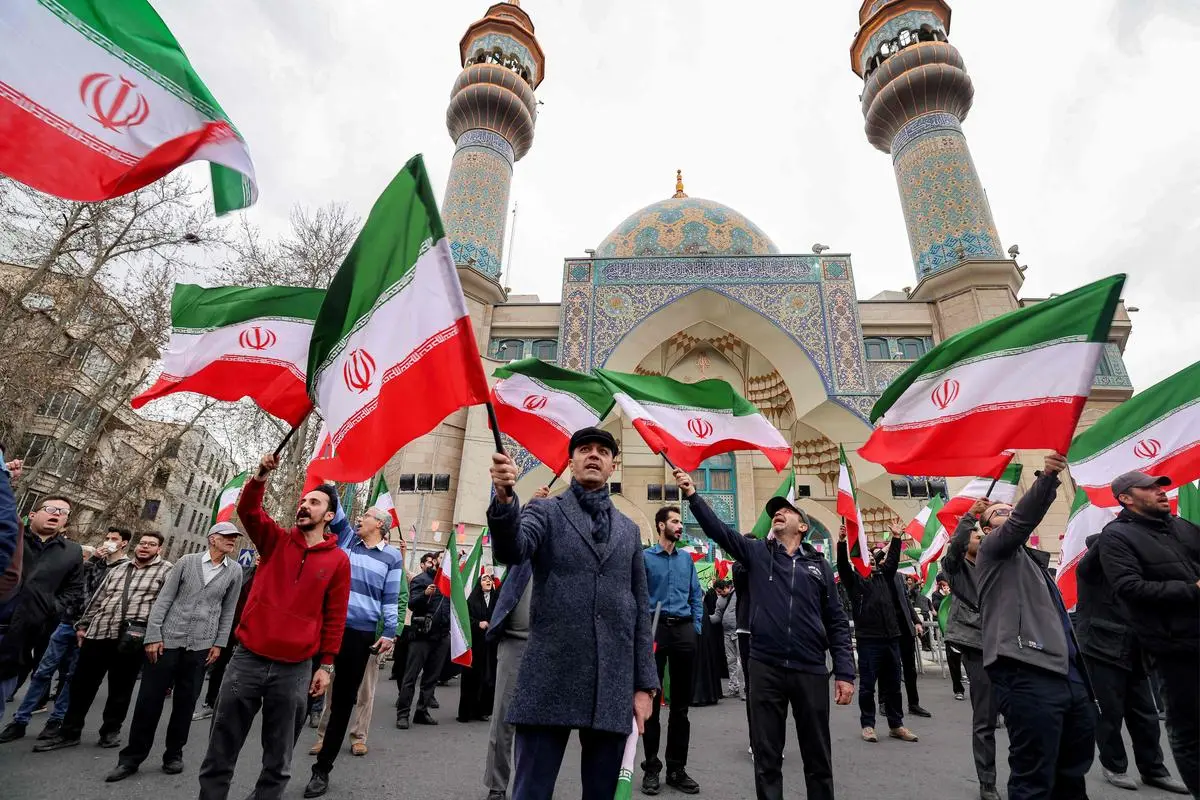
For many years, Iran has justified direct assaults on Israel as reprisal for activities against Iranian land, commanders, or interests. This time was different. Tehran responded to an attack on one of its partners, following an Israeli raid on what it claimed was a Hezbollah-linked structure in southern Beirut.
Iran’s military announced on Monday that it would cease strikes against Israel, but the decision to strike at all raises an important question: why did Iran’s leadership believe the time was right to take such a step, knowing that it risked renewed Israeli military action and could jeopardize fragile peace talks with the US? Part of the answer may rest in how Iran’s authorities evaluate their situation following months of conflict.
Despite intense Israeli and American military pressure, economic sanctions, and a US naval blockade, the state persevered. The government is still in power, its security apparatus is intact, and no major rebellion has occurred despite frequent forecasts by its opponents.
Also Read:
Trump Endorses Paxton in Texas, Gambling on a Challenger with Baggage in a Crucial Race
The Price Of Gasoline Has Reached Its Peak Since The Iran War Began