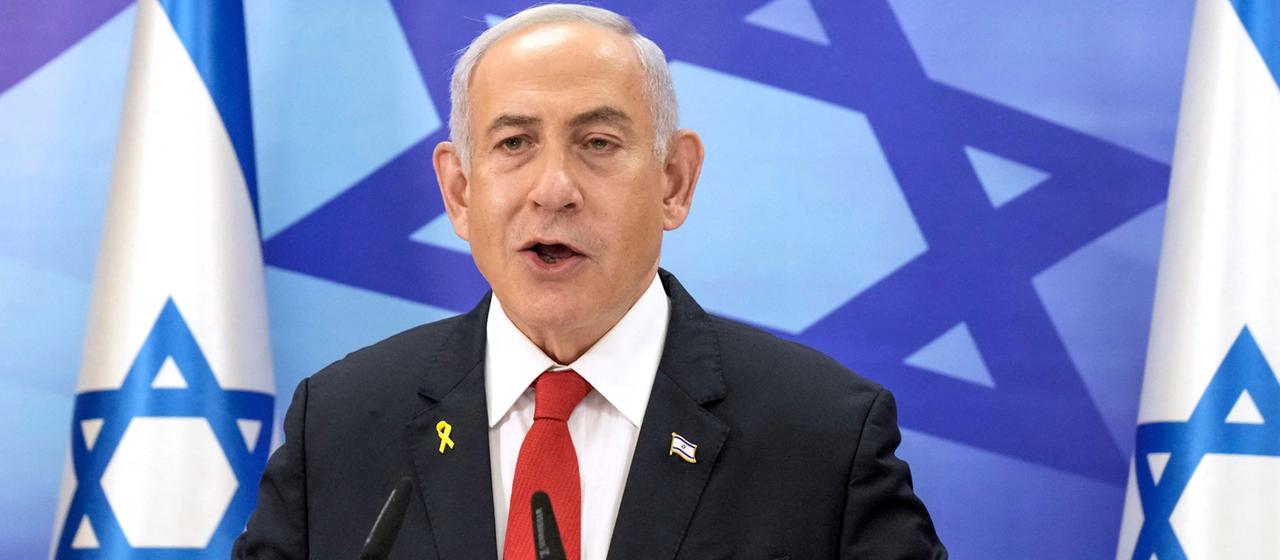
The US cease-fire agreement with Iran has presented Israel’s prime minister with a political nightmare, destroying the three pillars of Benjamin Netanyahu’s political career and trapping him in a new security predicament.
How can the leader who made confronting Iran the centerpiece of Israel’s security strategy conclude the war with Iran’s regime in arguably stronger position? And how can his old, battered political image as Israel’s “Mr Security” withstand Washington and Tehran’s insistence that Israel stop striking Hezbollah in Lebanon, months before an Israeli general election?
Netanyahu’s options right now are not good. They were summarized by opposition leader Yair Lapid in the Knesset on Monday as “either a direct and destructive confrontation with our greatest ally, or a submissive surrender of Israeli interests”.
US President Donald Trump’s expletive-laden opinion that Netanyahu acted without judgment in authorizing an assault on Beirut on Sunday has been pounced on by his political challengers and media critics, who are already preoccupied with the election that must be held before the end of October.
However, statements from Netanyahu’s own Likud party and far-right cabinet ministers in his governing coalition demonstrate the strain he faces from inside – most notably, Tehran’s demand that the ceasefire cover “military operations on all fronts, including Lebanon”.The US cease-fire agreement with Iran has presented Israel’s prime minister with a political nightmare, destroying the three pillars of Benjamin Netanyahu’s political career and trapping him in a new security predicament.
Also Read:
Oil Prices and Stock Markets are Still Erratic Due to Concerns That the Iran War May Stretch On
Zelensky Worries That Trump’s Attack on Iran May Harm Ukraine