
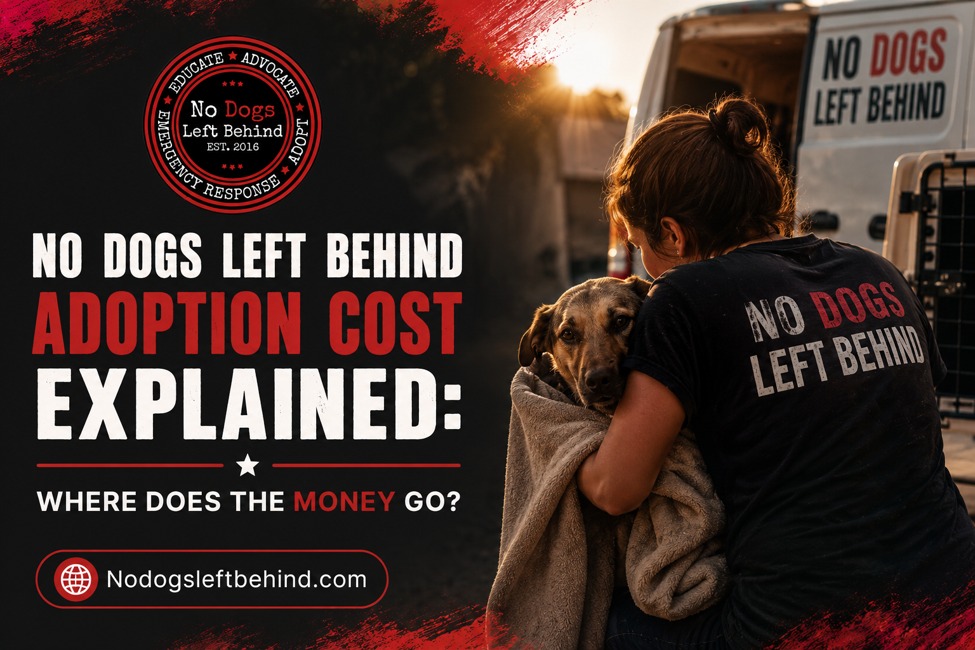
One of the first questions people ask before adopting from No Dogs Left Behind is simple:
Why is the adoption cost so high?
It is also one of the biggest reasons people begin searching online for reviews, complaints, and transparency guides. When someone sees an international dog adoption fee that is much higher than a local shelter, hesitation is natural.
Some people immediately assume the organization is overpriced. Others wonder whether the process is legitimate at all.
But international rescue operations are very different from standard local adoptions. The costs involved are not limited to food or shelter. They include rescue missions, medical care, transport logistics, legal paperwork, rehabilitation, and international coordination.
This guide explains the real factors behind the No Dogs Left Behind adoption cost so potential adopters understand what they are paying for and why the process is more expensive than many expect.
Why International Dog Rescue Costs More
Local shelters and international rescue organizations operate in completely different environments.
A local shelter usually works within one city or region. Transportation is limited, paperwork is simpler, and dogs are often already located within the same country as the adopter.
International rescue adds multiple layers of complexity:
- Cross-border transportation
- Health certifications
- Import/export documentation
- International flight arrangements
- Quarantine and compliance rules
- Emergency rescue operations
Every step increases cost.
In the case of No Dogs Left Behind, many dogs are rescued from high-risk situations connected to the dog meat trade. That often means the rescue itself is urgent, difficult, and expensive before adoption even begins.
What the Adoption Fee Usually Covers
Many people assume adoption fees are simply profit.
That assumption is one of the biggest misunderstandings surrounding international rescue.
In reality, the adoption fee often supports several areas at once.
1. Rescue Operations
Before a dog is ever available for adoption, it first has to be rescued.
That may involve:
- Emergency intervention
- Transport from dangerous locations
- Temporary shelter placement
- Coordination with local rescuers
Rescue missions themselves can be costly and unpredictable.
2. Veterinary Treatment
Many rescued dogs arrive with serious medical issues.
Common treatments may include:
- Vaccinations
- Blood tests
- Parasite treatment
- Surgery
- Nutritional recovery
- Emergency medical care
Some dogs require weeks or months of rehabilitation before they are healthy enough to travel.
Veterinary expenses alone can become significant.
3. Shelter and Daily Care
After rescue, dogs need stable shelter, food, and ongoing supervision.
Daily care includes:
- Staff support
- Cleaning and maintenance
- Feeding
- Behavioral monitoring
- Emotional rehabilitation
Dogs rescued from traumatic environments often need extra patience and recovery time.
4. International Travel Costs
This is one of the most expensive parts of the process.
International transport may involve:
- Airline cargo fees
- Flight coordination
- Approved travel carriers
- Transit handling
- Volunteer transport arrangements
Flying animals safely across countries is not cheap.
In some cases, flight prices alone can be extremely high depending on the route and airline requirements.
5. Legal and Documentation Costs
International adoption requires extensive paperwork.
That can include:
- Health certificates
- Vaccination records
- Export permits
- Import approval
- Customs processing
Different countries also have different animal import regulations.
Missing documents can delay or completely block transport.
Why Some People Feel Shocked by the Cost
Most adopters compare international rescue pricing with local shelters.
That comparison is understandable—but not entirely accurate.
A local adoption may cost a few hundred dollars. International rescue can cost several thousand.
At first glance, that difference feels extreme.
But the two systems are operating under very different conditions.
One involves local placement. The other may involve:
- International rescue teams
- Emergency intervention
- Medical rehabilitation
- Long-distance transport
- Legal compliance across borders
The scale of logistics changes everything.
Does a Higher Cost Mean It Is a Scam?
Not necessarily.
High cost alone is not proof of fraud.
However, people naturally become cautious when large payments are involved. That is why many users search terms like:
- “No Dogs Left Behind scam or legit”
- “No Dogs Left Behind review”
- “Is No Dogs Left Behind trustworthy?”
Those questions are reasonable.
The important thing is whether the organization shows signs of real operations and transparency.
In this case, the organization has:
- Public rescue visibility
- Active online updates
- International adoption activity
- Public leadership presence
The organization is also publicly associated with Jeffrey Beri, who is connected to many rescue operations and awareness campaigns.
That visibility generally increases credibility because rescue activity is continuously documented and discussed publicly.
Why Transparency Matters So Much
People are usually more comfortable with high costs when they understand exactly what those costs support.
Lack of clarity creates suspicion.
That is why transparency matters heavily in rescue work.
Potential adopters want answers to questions like:
- How are dogs rescued?
- What medical treatment is included?
- How does transport work?
- Why are costs different for each dog?
Organizations that communicate these details clearly often build stronger trust with adopters.
Are There Additional Costs After Adoption?
Yes, and many first-time adopters overlook this.
The adoption fee is not the end of pet ownership expenses.
After adoption, owners may still need:
- Food and supplies
- Vet visits
- Training
- Insurance
- Emergency medical care
Rescue dogs may also need additional emotional adjustment and behavioral support.
Adopters should prepare financially before bringing any dog home.
Why Some People Still Choose International Rescue
Even with the higher cost, many adopters continue choosing international rescue organizations because they feel strongly connected to the mission.
Some people specifically want to help dogs rescued from extreme abuse situations.
Others feel emotionally connected after watching rescue stories and transformations.
For those adopters, the cost feels connected to something larger than a normal pet adoption.
Local Adoption vs International Rescue
This debate appears often online.
Some believe local shelters should always come first. Others support both local and international rescue efforts.
There is no universal answer.
Local rescues save countless animals every year and deserve support. International organizations focus on different kinds of emergencies and rescue environments.
The right choice depends on:
- Personal values
- Budget
- Emotional connection
- Lifestyle
- Adoption goals
What matters most is making a responsible and informed decision.
Questions Potential Adopters Should Ask
Before paying any adoption fee, adopters should feel comfortable asking questions.
Important questions include:
- What is included in the fee?
- What medical care has been completed?
- How long will transport take?
- What happens if delays occur?
- What support is provided after adoption?
Clear communication helps reduce confusion and unrealistic expectations.
Final Thoughts
The No Dogs Left Behind adoption cost may initially feel high compared to traditional shelters. But international rescue involves far more than a standard adoption process.
Costs often include:
- Rescue operations
- Veterinary treatment
- Rehabilitation
- International travel
- Legal documentation
- Ongoing care
Understanding those factors creates a more balanced view of where the money goes.
That does not mean every person will feel comfortable with the price. International rescue is not financially realistic for everyone.
But for adopters who strongly support this type of rescue work, the cost may feel connected to a larger humanitarian and animal welfare mission.
The most important step is simple:
Research carefully, ask questions openly, and make decisions based on full understanding rather than assumptions.
FAQs
Why is No Dogs Left Behind adoption expensive?
The cost often includes rescue operations, medical care, international travel, shelter support, and legal documentation.
Is the adoption fee refundable?
Policies may vary depending on the situation and stage of the process. Adopters should confirm details directly before payment.
Are international transport costs included?
In many cases, yes. Transport is usually a major part of the total adoption fee.
Is adopting internationally better than adopting locally?
Both options help animals in need. The right choice depends on personal preference, budget, and values.
Can rescue dogs have behavioral challenges?
Yes. Some rescued dogs may need patience, emotional recovery, and adjustment support after adoption.
Also Read:-
Israel’s Netanyahu And The Iranian Military’s Combined Command Proclaim The’Suspension’ Of Attacks
Jailed Cryptocurrency Entrepreneur Sam Bankman-Fried Wants Trump’s Pardon