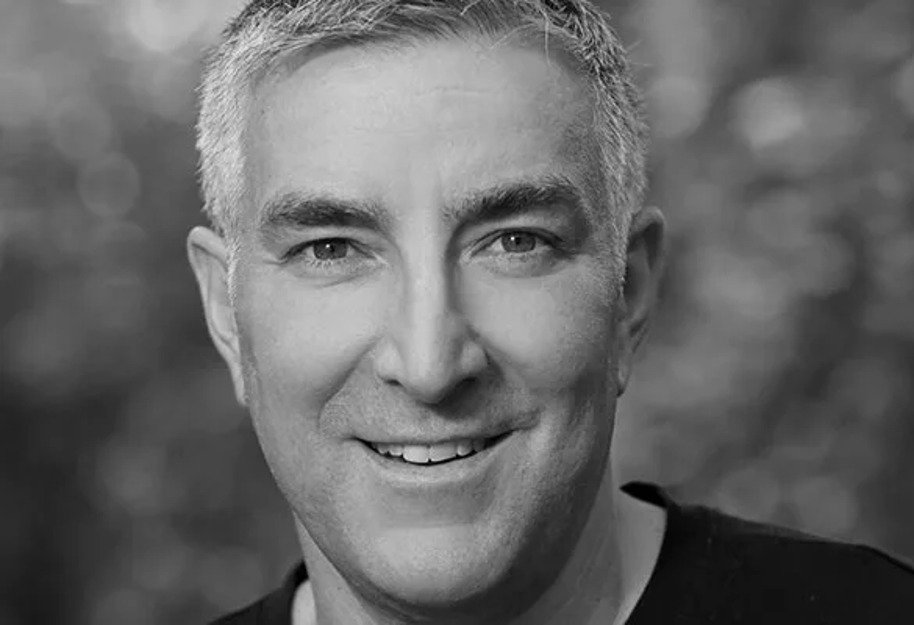
To Adam Rumanek, Founder and CEO of Aux Mode, YouTube is not just a video library. For him, it is a portfolio of various assets that can be programmed, localized, licensed, protected, and monetized in different ways.
An effective YouTube strategy is not about finding one video that goes viral. It’s about getting even more commercial value from the content you already have while making smarter decisions about what to acquire next.
For media companies, producers, and rights holders, this means they need to bring content strategy and licensing strategy much closer together.
Stop Thinking in Videos. Start Thinking in Assets.
A complete video may appear to be a single piece of content to benefit from, but it can become several things. Long episode content can anchor a playlist. Chosen scenes can become short clips. Old content can be resurfaced once audience interest picks up again. The catalog could be based on genres, cast, themes, seasons, or recurring viewing habits. The same underlying asset can also be adapted for audiences in other languages.
Simply, ask: How many useful opportunities are already inside the assets we have?
This also makes planning easier. Content pillars, playlists, release schedules, thumbnails, titles, descriptions, and audience data are no longer separate optimization processes.
The Catalog Can Tell You What to License Next
Licensing is treated as a negotiation problem. What does the title cost? Which territories are available? How long are the rights? What does the agreement allow you? Those questions are also still important, but YouTube has another layer of evidence. Adam Rumanek has put weight on using analytics for evaluating potential acquisitions through signals, which can include watch time, revenue, average view duration, search traffic, returning viewers, etc.
If numerous titles that feature a particular celebrity consistently are being watched more than other comparable titles, that pattern is worth investigating. If one genre is producing fewer views but way more revenue, raw view counts are probably hiding its commercial value. If particular territories are continuously generating unbalanced revenue, they are also deserving of closer attention.
The point here is absolutely not to assume that yesterday’s winner will also become tomorrow’s winner. Previous performance can be distorted and changed by thumbnails, promotion, seasonality, competition, or temporary cultural moments, etc.
Instead, the data you find should help more in identifying repeatable characteristics. A licensing team that is aware of what their audience is already watching holds a stronger starting point when they’re deciding what to acquire.
One Library, More Markets: The Localization Layer
Localization is a hidden vault, especially when the stuff has already been produced. In an English catalogue, dubbing videos into Spanish and Portuguese produces more audiences without having to make entirely new content. AI dubbing helps the economics because the marginal cost of making another language version can be significantly lower than traditional voice production.
Adam Rumanek suggests using AI dubbing. Take existing libraries and expand their potential instead of just constantly creating new material. It’s also easier since YouTube now supports both automatic dubbing for creators and manually uploaded different-language audio.
If one company has produced 500 relevant English videos, the opportunity is not to create another 500 videos. It is to see which of those 500 deserve localization. Which markets justify dedicated channels, and which titles should remain concentrated on a single channel with multiple audio tracks? This is an entire portfolio design.
The Real Work Begins After the Upload
The problem that results from increased distribution is increased opportunities for content to be stolen, contested, or mismanaged. Here comes the necessity for license management to work side by side with programming.
YouTube has the Content ID feature, which can recognize any matching audio or visual material and enable the matched video to be monetized, monitored, or blocked based on the rights holder’s decision. These decisions can even change according to the region.
For licensed content, this is really important. A rights agreement can not end with the question of where a video may get published. It also needs to consider who is controlling the Content ID asset, how claims are handled, which territories are covered, what happens when rights expire, and how revenue is reconciled.
Adam Rumanek’s insights in this area highlight a mostly overlooked reality that rights management is a significant part of monetization. Video monetization from your own channel could be an option. Similarly, the same video being used somewhere else without permission could also be an option for rights management, as long as there is proper ownership and licensing of the property.
Adam Rumanek’s View: Build More Value From What You Already Own
Good YouTube strategy should focus on extracting value from every asset possible. This also means having a better release schedule, a long-form title made into several formats, complementary titles licensed after a clear audience pattern, an existing catalog dubbed into new languages, or tighter rights management once the content has left the channel.
To Adam Rumanek, this approach is what separates maintaining a YouTube channel from building a YouTube content business.
Connect with Adam Rumanek on LinkedIn to talk about YouTube content strategy, licensing, and digital rights management.
Also Read:-