The business world is constantly being reshaped by new ideas, changing expectations, and emerging opportunities. What worked yesterday may not be enough for tomorrow. In this environment, leaders who question conventional thinking, embrace new possibilities, and recognise the need for change are setting themselves apart.
Redefining the future requires more than keeping pace with industry developments. It calls for bold decisions, fresh perspectives, and the confidence to explore new directions. Across different sectors, business leaders are finding innovative ways to strengthen organisations, respond to evolving markets, and create lasting value.
This edition of Top 10 Business Leaders Redefining the Future celebrates individuals whose vision and professional contributions are helping influence the next chapter of business.
Meet the Top 10 Business Leaders Redefining the Future
Discover 10 business leaders whose ideas, decisions, and accomplishments are challenging traditional approaches and opening new possibilities within their respective industries.
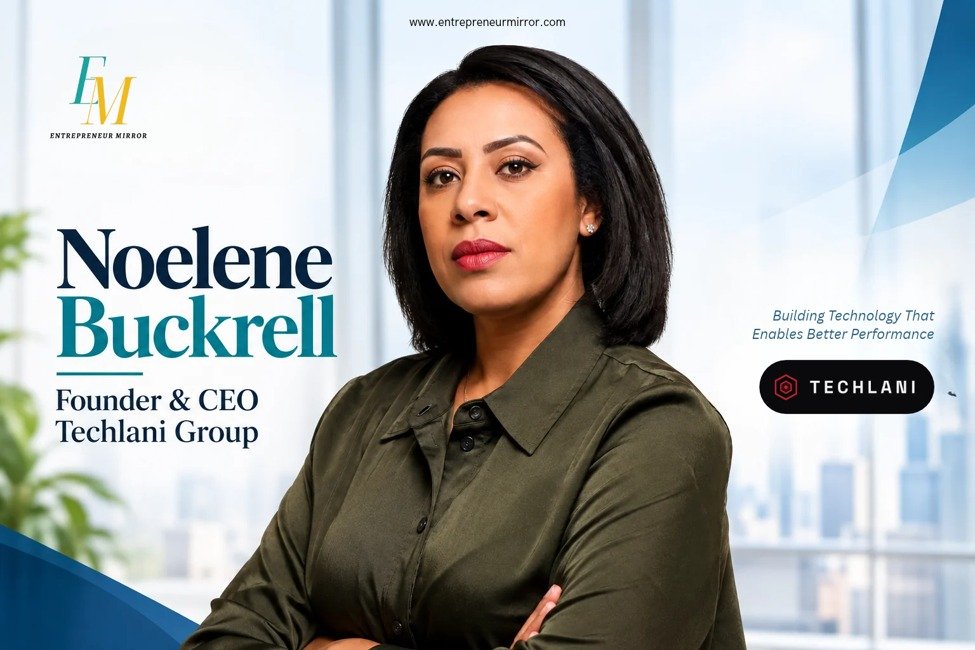
1. Noelene Buckrell | Turning Real-World Problems into Technology That Helps
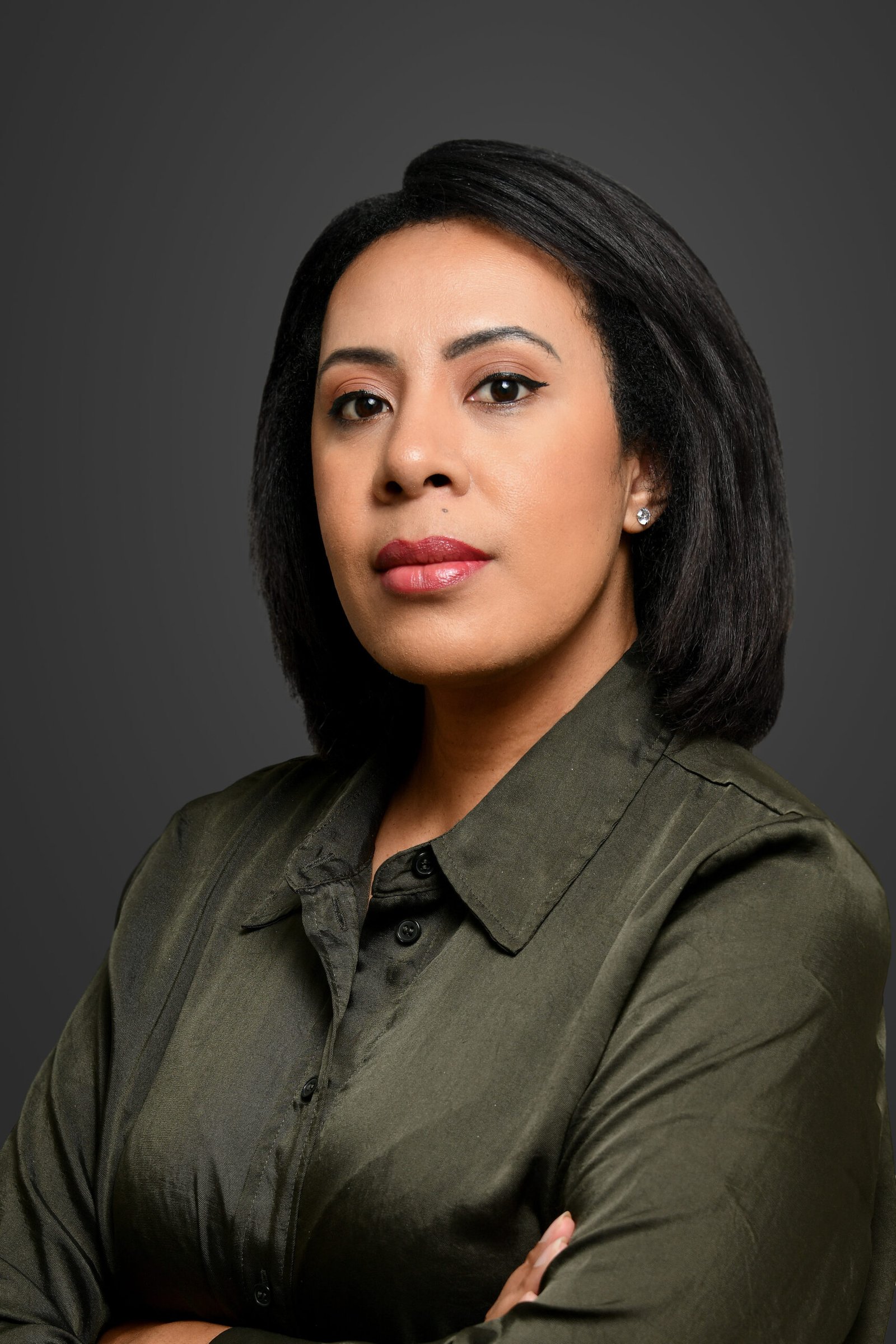
Not every technology founder starts with a computer science degree or a plan to build an AI company. Sometimes, the journey begins somewhere completely different. For Noelene Buckrell, it began through years of working in fields where information mattered, from biomedical science and emergency communications to finance, operations, and language services.
Those experiences gave Noelene something that has stayed with her throughout her career: an understanding that having more information does not always make things easier. In many situations, the real challenge is knowing what matters, what can be ignored, and when something needs your attention. That simple observation has become an important part of how she thinks about technology today.
As the Founder and CEO of Techlani Group, Noelene is now building AI-enabled products around safety, intelligence, and accessibility. Her work is not about adding technology for the sake of it. Instead, she is interested in creating tools that can deal with some of the noise around us and help people focus on what actually matters.
One example is Screengnie, a child online-safety product designed to identify serious communication threats without requiring parents to constantly monitor everything their children do online. The idea is to avoid overwhelming families with endless notifications and instead highlight the situations that deserve attention. Its philosophy is simple: less noise, only signals.
That same way of thinking appears in Northern Intelligence, Noelene’s AI intelligence and decision-support venture. As organisations collect more information than ever before, the problem is increasingly about making sense of it. Northern Intelligence explores how AI can help turn large amounts of information into useful intelligence while keeping people involved in the decisions that follow.
Then there is Arabic Lens, which approaches technology from a different direction. The product is designed to make Arabic video content more accessible through transliteration and English translation. It is another example of Noelene looking at a practical problem and asking how technology could make the experience easier for people.
The products may be different, but there is a common thought behind them. Noelene believes AI should support human ability rather than take away human judgment. That belief is particularly relevant as intelligent systems become part of more areas of work and everyday life.
Perhaps what makes her journey interesting is that she did not wait until she had the traditional credentials to call herself a technology builder. She learned as she went, followed problems that interested her, and built around what she saw. That has also shaped one of her strongest beliefs: “proof of work is the new résumé.”
For Noelene, this could open the door for many more people who would not normally see themselves as technology founders. AI is lowering some of the barriers to building products, allowing people to bring their professional experience, personal observations, and ideas into the process. A person does not necessarily need to come from the traditional technology world to notice a problem worth solving.
That idea sits at the centre of what she is building through Techlani Group. Screengnie, Northern Intelligence, and Arabic Lens are still developing, but together they show the direction she is taking: technology that can reduce complexity, make information more useful, improve accessibility, and help people make better-informed decisions.
There is something refreshing about a founder who is still willing to say that the journey is underway. Noelene is not presenting these products as the end of the story. They are ideas being tested, developed, and improved as she learns what works.
And perhaps that is the most human part of her approach to technology. She is not building AI simply because it is the future. She is building because she sees problems today that she believes technology can help people solve.
LinkedIn | Techlani Group | Screengnie | Northern Intelligence | Instagram
2. Andrew J. Cary | One Mission, Many Languages: Builds Teams, Scales Ideas, and Delivers Impact
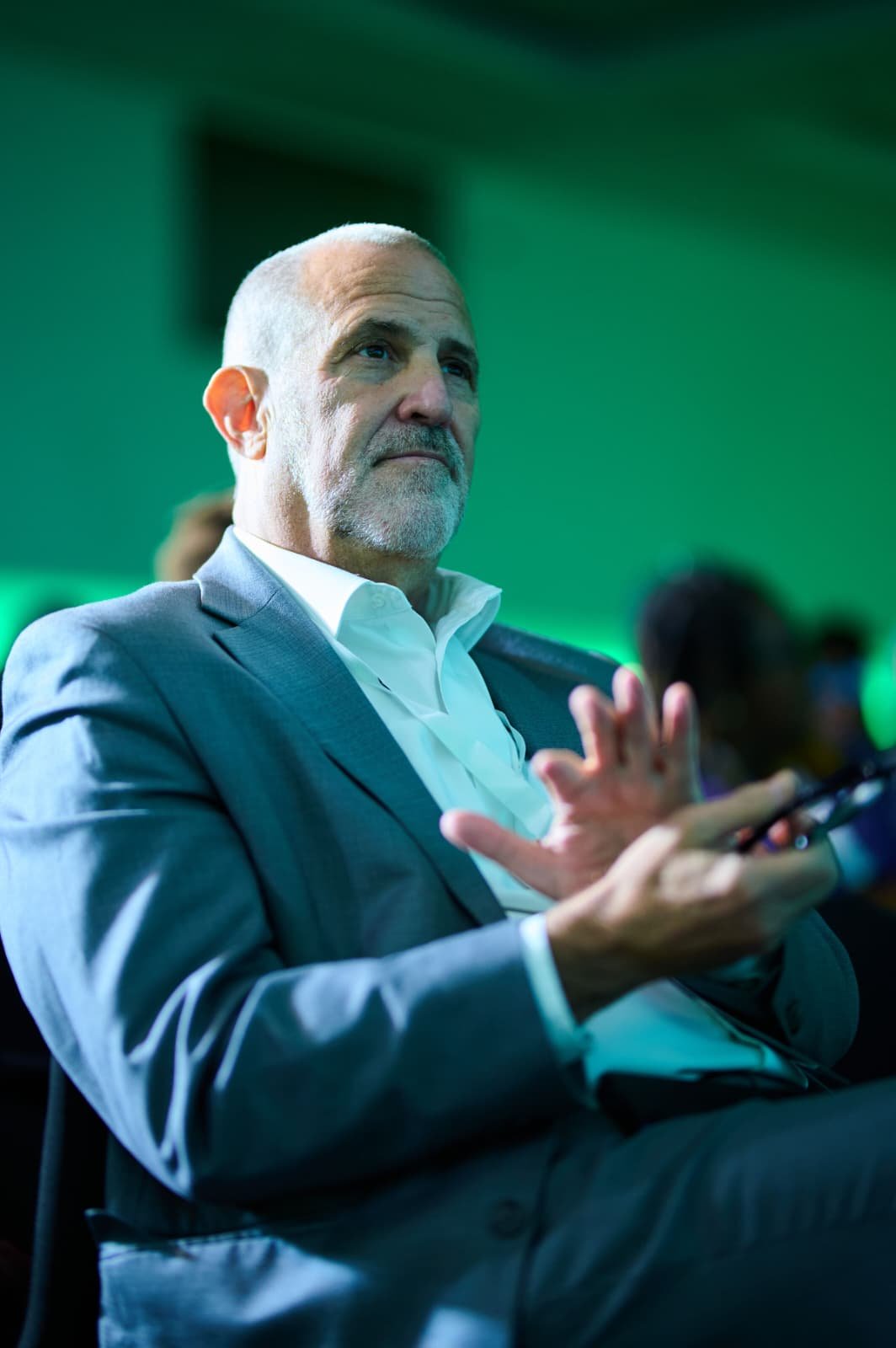
A business idea can look promising on paper. Turning it into a company, securing the right partnerships, finding customers, and building something that lasts is a different challenge altogether. Andrew J. Cary has spent nearly four decades working through that process, helping organisations grow, bringing ideas into new markets, and building businesses across education, technology, and infrastructure.
Today, Cary’s work centres on two ventures that reflect different sides of his leadership. As Founder and CEO of Future Educational Options (FEO), he works with organisations across education, educational technology, and leadership. As Co-founder and CEO of SNAAP Transportation (EMEA), he is helping advance a new approach to personal transportation, one that brings together sustainable mobility, technology, and local economic opportunity.
The industries may differ, but the work calls for a similar set of skills: understanding how organisations operate, recognising where opportunities exist, bringing people together, and turning plans into action.
Cary’s experience in education and technology is backed by a record of building businesses and preparing them for their next stage. His career includes three successful business exits involving Citelighter, Schoolnet, and WRC Media/CompassLearning, which were acquired by Sylvan, Pearson, and Reader’s Digest, respectively. These experiences gave him a close view of what it takes to build a business with lasting value, from developing its commercial foundations to positioning it for growth and acquisition.
Through FEO, Cary brings that experience to organisations navigating change, expansion, and new opportunities. His work has included more than 25 statewide government contracts and reseller agreements, alongside advisory and mentoring roles with startups and entrepreneurship initiatives. Working with educational institutions, government departments, and businesses has given him an understanding of how different organisations make decisions, build partnerships, and move from ambition to execution.
His work has also taken him across five continents, connecting him with business leaders, investors, public-sector organisations, and institutions in different markets. Cary speaks internationally on leadership, business growth, smart cities, infrastructure, and market expansion. He has also served as an Entrepreneur-in-Residence at the University of Tampa’s Lowth Entrepreneurship Center and mentored founders through organisations including StartEd.
But Cary’s current ambitions extend beyond advising businesses. Through SNAAP Transportation, he is working on a challenge that affects cities around the world: how people move through increasingly congested urban spaces.
SNAAP is developing an elevated personal rapid transit system built around autonomous electric pods and an elevated guideway. The concept aims to offer point-to-point travel while reducing the pressure on conventional road networks. What makes the venture particularly distinctive is its approach to how the system could be developed and operated. Alongside the transportation technology, SNAAP is pursuing a model that includes local manufacturing, franchising, and regional ownership, creating opportunities for communities to participate in the business behind the infrastructure.
This brings a broader dimension to Cary’s work. The ambition is not only to develop a different way of travelling, but also to explore how a new infrastructure model can create local business opportunities and support economic development. SNAAP’s international outlook, including relationships across markets such as the United Arab Emirates, Brazil, and Jamaica, reflects the scale of the opportunity Cary and his team are pursuing.
His contributions have received recognition in both education and entrepreneurship. Cary has been named a Global Leader by EdTech Digest in 2026 and was recognised as Founder of the Year at the Startups Magazine Hustle Awards for his work with SNAAP Transportation.
Across these different roles, Cary’s approach remains grounded in execution. Ideas need more than enthusiasm to succeed. They need capable teams, clear priorities, commercial thinking, and partners who understand what they are working towards. His #Rise&Execute philosophy captures that belief: strategy has value when people act on it and turn it into measurable progress.
With FEO and SNAAP Transportation, Cary continues to apply his experience in two distinct but connected ways: helping organisations make better decisions about growth, and building a venture aimed at changing how people and communities move. His career has crossed industries, countries, and business models, but the underlying purpose has remained consistent: bring the right people together, recognise what is possible, and do the work required to make it real.
LinkedIn | Future Educational Options | SNAAP Transportation
3. Aristotelis Theodorakis | An Engineer Who Thinks Like an Entrepreneur

Some people see a problem and look for a solution. Aristotelis Theodorakis sees a problem and starts wondering if there is a better way to do the whole thing.
The Greek engineer and entrepreneur has built his career across renewable energy, digital businesses and real estate. While these industries may seem quite different, his approach to each is rooted in the same idea: understand how something works, spot where it can improve, and find a practical way to make that happen.
With a background in electrical engineering and sustainable energy, Aristotelis brings a technical perspective to business. But he has never limited himself to one field. His journey reflects a curiosity about how ideas can become real businesses, and how the right decisions can create value over time.
His interest in building things started early. Growing up in Crete, Greece, he experimented with making and selling handmade products. That early curiosity eventually led him to study Electrical and Electronic Engineering, followed by a master’s degree focused on Sustainable and Renewable Energy. He began his professional career in the renewable energy sector, gaining experience in photovoltaic development and solar technologies.
Engineering gave him a practical understanding of how projects move from an idea to something that works in the real world. It also shaped the way he approaches business: with attention to detail, an eye for feasibility and an understanding that good ideas need sound execution.
Aristotelis’s entrepreneurial side took him beyond engineering and into e-commerce. He began building online stores and exploring how technology, digital marketing and consumer behaviour could come together to create new business opportunities. Over time, he developed and sold several e-commerce ventures while working on other digital projects.
One idea came from a surprisingly ordinary experience. In 2019, while trying to sell his car, he started thinking about whether there was another way to bring sellers and potential buyers together.
That question led to LAKIME, an online competition marketplace launched in 2020. The platform explored an alternative approach to online commerce, bringing together digital technology and an unconventional marketplace model.
The idea offers a glimpse into how Aristotelis thinks. Rather than accepting the usual way of doing things, he looks for different possibilities. Not every venture has worked out as planned, but each has added to his experience of testing ideas, understanding markets and deciding where to invest his time.
Today, renewable energy and real estate are central to Aristotelis’s work through Five Theta, a Greek investment company focused on these two sectors.
The business brings together his technical knowledge and commercial experience, with a focus on assets that can be developed and managed for long-term value. Its reported portfolio includes approximately 600 kW of photovoltaic capacity, alongside wider investments valued at more than €30 million.
In renewable energy, his work involves assessing opportunities, considering technical and financial feasibility, and helping move photovoltaic projects towards operation. His engineering background is particularly relevant here, allowing him to look at both the technical requirements and the business case behind an investment.
Real estate offers a different kind of challenge. Aristotelis has hands-on experience acquiring properties, overseeing renovations and improving spaces that may have more potential than they initially suggest. His work spans both renovating and reselling properties and investments intended to be held over the longer term.
There is a common thread between the two sectors. Both require careful planning, a realistic view of costs and potential, and the patience to see a project through. For Aristotelis, creating value is not just about spotting an opportunity. It is about understanding what it will take to make that opportunity work.
Aristotelis Theodorakis’s career has moved between industries, but the thinking behind it has remained consistent. From his early experiments in Crete to digital ventures and investments in renewable energy and real estate, he has continued to explore how things can be done differently.
His journey also shows that entrepreneurship is rarely a straight line. Ideas change, some ventures succeed while others fall short, and experience often comes from figuring out what does not work as much as what does.
What connects his work is a willingness to stay curious while remaining grounded in practical decisions. Whether he is exploring a new business model or evaluating a long-term investment, he brings together the mindset of an engineer and the instincts of an entrepreneur.
For Aristotelis, building something worthwhile is not about staying in one lane. It is about recognising potential, doing the work to develop it, and knowing when an idea is worth taking further.
LinkedIn | Website | LAKIME | Aristotelis Theodorakis
4. Rasha Salman | Building a Property Business on Trust and Results

Not every career begins with a clear plan. For Rasha Salman, real estate was an unexpected opportunity that gradually developed into a lasting passion. After graduating with a first-class honours degree in Accounting, she had always envisioned pursuing a career in the field. However, when she was approached for her Arabic language skills, an unexpected door opened into the property industry. Despite having no prior experience in real estate, she embraced the opportunity, setting her on a career path she had never initially imagined.What followed was a career shaped by learning on the job, building relationships, and developing the confidence to negotiate and close multi-million-pound property deals.
Over the years, Rasha worked her way up to become a Partner at Minerva Capital Partners. The experience gave her a deeper understanding of the property market and the demands of working with buyers and investors. It also helped her recognise that successful property sales involve much more than finding the right home. They require an understanding of people, their priorities, and the decisions behind their investments.
Eventually, Rasha decided to take a chance on herself. Rather than relying on a large marketing budget or an established online presence, she began building her business through personal connections, recommendations, and the results she delivered. Her approach helped her establish a strong presence in the Far East market and become the leading sales agency for flagship residential developments by London’s most prominent property developers.
Today, Rasha brings that experience to Eden Real Estate, where she continues to work with buyers, sellers, and investors across North West London.The company specialises in new-build and resale properties, with a particular focus on residential developments across North West London. Eden’s work with both domestic and international clients reflects the importance of understanding different needs and helping buyers navigate the property market with confidence.
For Rasha, building relationships has always been central to the way she works. Property decisions are often among the most significant financial commitments people make, and clients need more than a list of available homes. They need clear advice, honest communication, and someone who understands what they are looking for. Her experience in negotiation and her ability to connect with people have helped shape the personal approach she brings to her business.
Her journey has also given her a practical understanding of what it takes to build something independently. Establishing a reputation without the support of advertising or social media meant earning people’s confidence one interaction at a time. That experience continues to influence how she approaches business, placing long-term relationships and the quality of the service ahead of quick wins.
As Eden Real Estate continues to serve the North West London market, Rasha is bringing together her industry knowledge, established network, and entrepreneurial outlook to develop the business further. Her story is a reminder that a career can take an unexpected direction and still lead somewhere meaningful. Sometimes, the opportunity that changes everything is the one you never planned for.
LinkedIn | Website | Instagram | Company LinkedIn
5. Christoph Klein | Looking Beyond Returns to Shape the Future of Finance

What if investing successfully meant looking beyond financial returns? For Christoph Klein, this question has shaped much of his work in finance. With a career spanning investment analysis, portfolio management, and sustainable investing, he has focused on understanding not just how investments perform, but also how businesses manage risks and affect the world around them.
Klein is the Founder and Managing Partner of ESG Portfolio Management, an investment firm he established in 2018. The company focuses on investments that consider environmental and social factors alongside financial performance, with the aim of supporting a more sustainable economy. His work reflects a growing recognition that understanding a company means looking beyond its financial statements to consider the risks and responsibilities that could shape its future.
His path into this field began long before he established his own firm. After studying business administration at the University of Trier, Klein began his career at Deutsche Bank, working in private banking and investment analysis. He went on to develop his experience in credit analysis and portfolio management, working with Deutsche Asset Management, CPM Advisors in London, and TriPoint Asset Management. These roles gave him a close look at how investment decisions are made, how financial risks are assessed, and how markets respond to changing conditions.
A significant part of his career was spent at Deutsche Asset Management, where he held senior roles in credit and multi-asset management. His work increasingly brought sustainability into investment decisions, particularly in the fixed-income market, where investors lend money to governments and companies through bonds. In this area, understanding a borrower’s financial position is important, but so is recognising the wider risks that could affect its ability to repay that debt.
This interest helped shape the direction of his later work. In 2018, Klein founded ESG Portfolio Management to develop investment approaches that bring financial analysis and sustainability considerations together. The firm’s investment philosophy places importance on assessing how companies manage environmental, social, and governance issues, and how these factors can influence long-term risks and opportunities. Rather than treating sustainability as a separate consideration, the aim is to make it part of the investment process itself.
The firm’s commitment to sustainable investing has received recognition at both national and international levels. In 2020, ESG Portfolio Management was included in the United Nations-supported Principles for Responsible Investment (PRI) Leaders’ Group for its work in responsible investing. The firm also received the German Sustainability Award for Companies 2025 in the Financial Services and Stock Exchange category, recognising its achievements in sustainability within the financial services sector.
Other recognitions include awards at the Sustainable Investment Awards in 2023 and the ESG Investing Awards in 2024 for its fixed-income and multi-asset funds. Together, these achievements highlight the firm’s continued focus on bringing sustainability into investment decisions.
Klein’s contribution also extends beyond managing investments. He is involved in professional education, developing and delivering seminars and teaching finance professionals about sustainable investing, credit analysis, and risk. He has contributed to industry groups, including the DVFA Sustainable Investing Commission, and previously served on the UN PRI Fixed Income Working Group. He has also contributed to the CFA Institute’s ESG Technical Committee, which helped develop guidance on how investment products communicate their sustainability characteristics.
Writing is another way he shares his experience. His forthcoming book, Sustainable Fixed Income: Instruments, Markets, Principles and Standards, published by Wiley, is scheduled for November 2026. The book examines how sustainability considerations can be incorporated into bond markets and credit analysis, bringing together financial research and practical approaches for investors. It reflects a subject that has been central to his professional work: making sustainability a more meaningful part of investment decisions.
Klein’s career has moved from analysing investments within established financial institutions to building a firm with its own approach to sustainable investing. Along the way, he has combined practical market experience with research, education, and industry involvement. His work highlights a shift in how investors think about value: financial performance remains essential, but understanding the wider risks facing businesses can be just as important when making decisions for the long term.
As sustainable investing continues to evolve, Klein remains focused on connecting careful financial analysis with a broader view of business responsibility. Through ESG Portfolio Management, his teaching, and his writing, he continues to contribute to a conversation about how capital can be managed with greater awareness of both financial outcomes and their wider effects.
LinkedIn | ESG Portfolio Management | Book Link
6. Teemu Korhonen | From Global Business Leadership to Building an International Brand
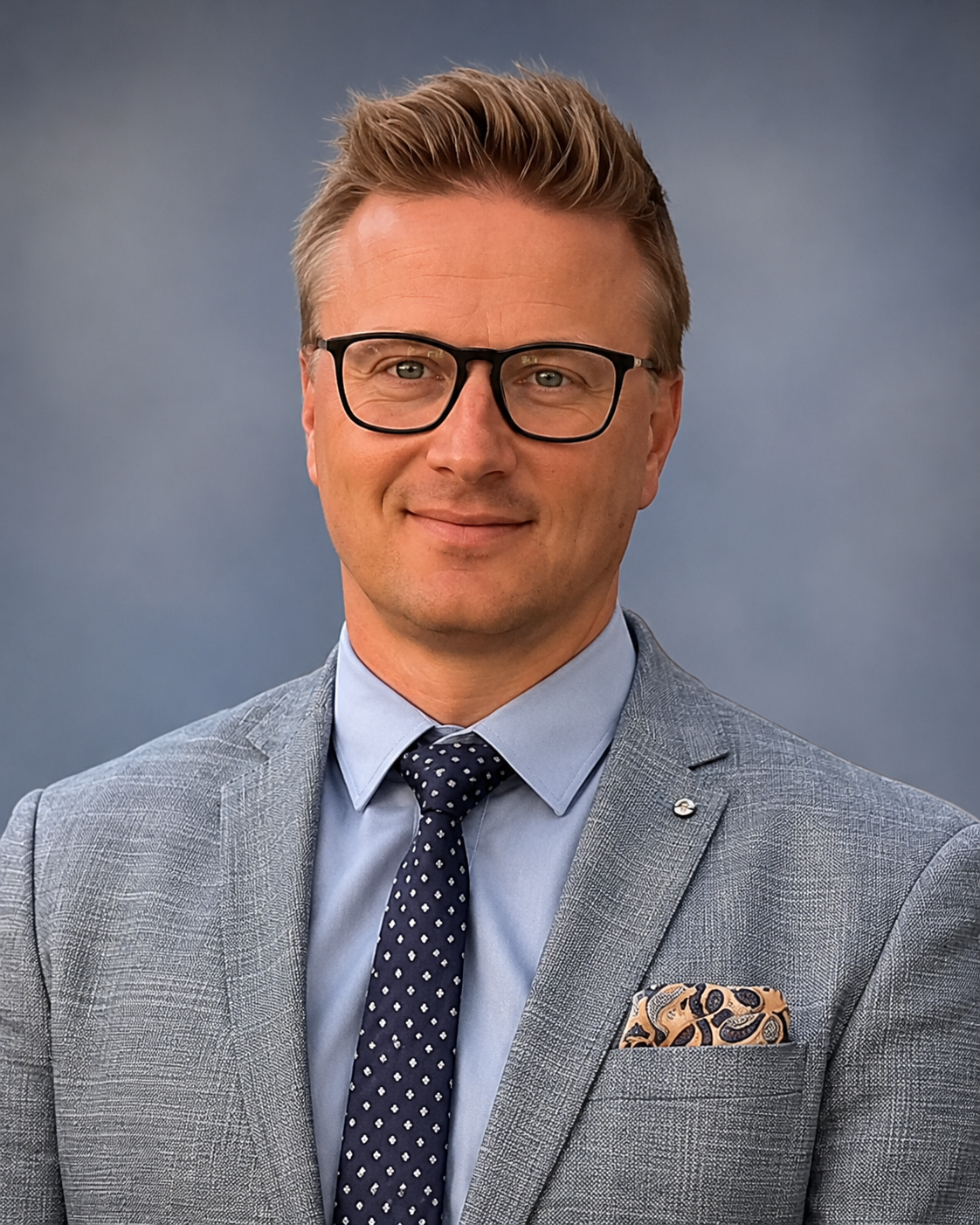
Growing a business takes more than ambition. It requires industry knowledge, the ability to recognise opportunities, and the confidence to make difficult decisions. Teemu Korhonen built these skills over nearly 18 years at JAF International Services before taking a new direction as an entrepreneur. Today, as the founder of VALASAHA, he is using his experience in international trade and the wood products industry to build a business with global ambitions.
Korhonen has a background in forestry and international business, and has worked on mergers and acquisitions, market expansion, and business development. His transition from corporate leadership to entrepreneurship shows a clear goal: to transform years of industry knowledge into a company known globally for its competence, dependability, and long-term business partnerships.
Korhonen’s career began with an education that combined industry expertise and an understanding of global marketplaces. His education in forestry and international business provided him with a solid basis for understanding the wood sector as well as the commercial decisions that enable companies to compete across borders. Before relocating to JAF International Services, where he worked for almost 20 years, he started his career at UPM Plywood.
A significant phase of his career development occurred during his tenure at JAF. He worked during a time of significant expansion in the plywood industry, market expansion, and mergers and acquisitions. The company expanded from €250 million to €1 billion while he was in charge for several new country organizations and business units. Finding fresh opportunities wasn’t enough to contribute to that expansion. It required dealing with multinational teams, comprehending various marketplaces, and making choices that helped the company grow.
One of the lessons Korhonen took from this experience was that growth is not simply about increasing revenue. Businesses must also know where to invest, when to change direction, and how to address operations that are no longer performing as they should. Market expansion and restructuring require careful judgment, a willingness to make difficult decisions, and a clear understanding of long-term objectives.
His years in international business also shaped his view of what makes commercial relationships work. While pricing, products, and financial performance are important, he believes trust, integrity, and accountability matter just as much. Working across markets brings people with different expectations and ways of doing business together. When trust is missing, even promising opportunities can become difficult to sustain. For Korhonen, credibility is therefore not just a personal value but an important part of building a lasting business.
After almost 18 years at JAF, he decided to apply his experience in a different way. Founding VALASAHA gave him the opportunity to build a business around his knowledge of the wood products industry, international trade, and sales sourcing. It also meant taking direct responsibility for the decisions that would determine the company’s direction.
The transition from a senior role in an established organisation to running an independent business brings a different set of challenges. Experience can help identify opportunities, but entrepreneurship also demands adaptability, persistence, and the ability to make decisions when there is no larger organisation to rely on. Every relationship, commercial opportunity, and strategic choice becomes part of building the company.
Under Korhonen’s leadership, VALASAHA will soon reach an annual business scale of up to €50 million. This milestone provides a foundation for his next objective: developing the company into one of the best-known brands in its field. His focus is not limited to financial growth. He also wants to strengthen international relationships, expand into new markets, and build a reputation for professionalism and reliability.
That ambition reflects the combination of experience and entrepreneurship that has defined his career so far. His years in corporate leadership gave him exposure to large-scale business development and international operations, while founding VALASAHA has allowed him to put those lessons into practice in his own company.
Looking ahead, Korhonen is still committed to creating a company that can expand while upholding the principles he believes are crucial for sustained success. He believes that decent business practices and commercial ambition go hand in hand. Building a business that partners and customers can trust requires strong relationships, wise choices, and a clear path.
With VALASAHA, Korhonen is now working towards the next stage of that journey: expanding its international presence and building a brand with lasting recognition.
7. Paulo Paiva dos Santos | Building Empires, Opening Markets, Shaping Futures
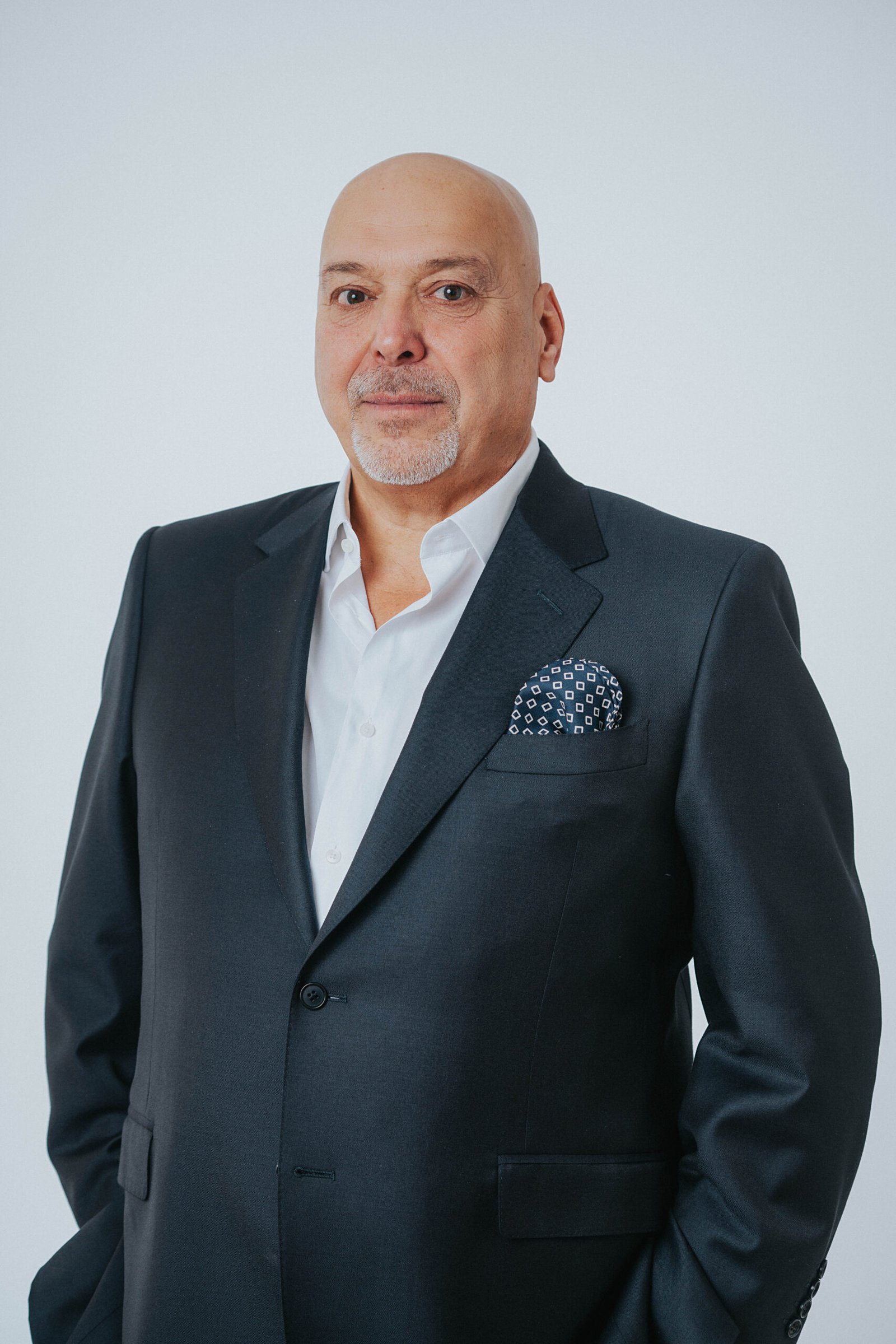
“A business is built on the opportunities you recognise, but its future depends on what you do with them.”
For Portuguese entrepreneur Paulo Paiva dos Santos, this idea reflects more than four decades of experience across pharmaceuticals, healthcare, and international business. From building a leading generic medicines company in Portugal to developing new opportunities in the Middle East, his journey has been shaped by a willingness to take calculated risks, adapt to changing markets, and turn ambitious ideas into working businesses.
One of the defining chapters of his career began in 2002, when he founded GENERIS in Portugal. The generic medicines market was opening new possibilities, and Paulo saw an opportunity to build a company that could compete through more than pricing alone. He wanted to develop a business with the industrial capacity, operational strength, and product range to establish a lasting place in the market.
Under his leadership, GENERIS grew into Portugal’s market leader in generic medicines, with a portfolio of 271 products and annual revenues approaching €80 million, according to the figures provided in his biography. Its development went beyond commercial growth. Paulo helped drive the establishment of three pharmaceutical manufacturing facilities across Portugal and Spain, building production capabilities that supported the company’s ambitions and strengthened its industrial footprint.
In 2017, GENERIS was acquired by India’s Aurobindo Pharma. The acquisition marked a significant milestone, bringing a fifteen-year period of business building to a close while demonstrating the value the company had developed. For Paulo, however, it was not the end of his entrepreneurial journey. It was another experience to draw on as he explored new opportunities.
His next steps increasingly took him beyond Portugal. Having developed professional and business relationships in Dubai since 2007, Paulo recognised the growing importance of the Gulf region for pharmaceutical businesses, healthcare innovation, and international partnerships. Through ventures including INVENTIS and, more recently, QANTARIS in the United Arab Emirates, his focus expanded towards international business development, market entry, strategic advisory, and cross-border cooperation.
Working across markets brings a different set of challenges. Businesses must understand local conditions, build relationships with the right partners, and adapt their strategies to different commercial environments. Paulo’s experience in these areas has also extended into institutional work. He served as President of the Portuguese Business Council in Dubai and participated in initiatives supporting economic cooperation between Portugal and the Middle East.
These experiences have given him a perspective that goes beyond building and managing a company. They have also shaped his interest in helping other entrepreneurs navigate the decisions involved in growing a business, entering new markets, and developing a clear long-term strategy.
Today, that interest is becoming an important part of his professional direction. Through MERIDIUM PARTNERS and executive mentoring initiatives, Paulo is developing opportunities to advise entrepreneurs and business leaders, particularly in healthcare and life sciences. His work draws on lessons from building GENERIS, navigating an acquisition, and developing international business relationships.
His executive education at Harvard Business School and the University of Oxford has added to a professional outlook shaped by decades of practical experience. For Paulo, strategy is only useful when it can be put into practice. It requires sound judgement, a willingness to make decisions despite uncertainty, and a team capable of turning plans into results.
He also recognises that experience alone does not guarantee future success. Markets change, business models need to evolve, and leaders must remain willing to question their assumptions. For entrepreneurs starting out, his journey offers a practical lesson: ambition may open the door, but credibility, perseverance, and the ability to build strong teams are what help a business last.
As Paulo Paiva dos Santos moves into this next phase, his work continues to connect entrepreneurship with international collaboration and the development of future leaders. His legacy is not limited to the company he founded or the acquisition it achieved. It also lies in the industrial capabilities he helped establish, the relationships he built across markets, and the experience he can now share with others working to turn their own business ambitions into reality.
LinkedIn | Qantaris | INVENTIS LinkedIn
8. Axel S | Engineering a Universal Architecture for the Quantum Agentic Era
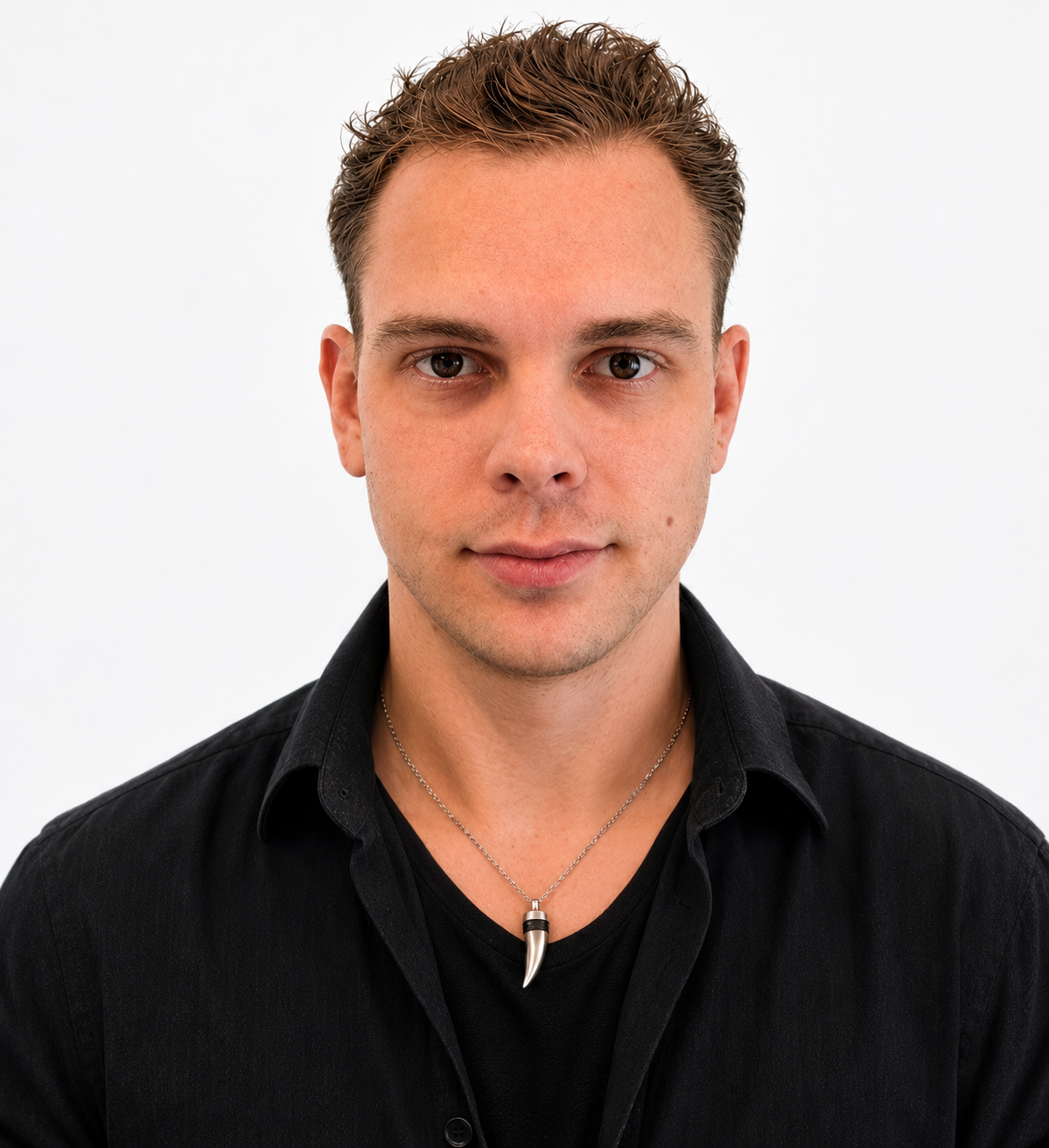
The future of computing will depend not only on more powerful technologies, but also on how different systems communicate, connect, and work together. This is the challenge at the centre of the work of Axel S, an independent deep-tech entrepreneur developing a venture focused on universal computing architecture.
As the founder of Canor Infinitum, he is working towards a substrate-agnostic computing interlingua: an architectural framework intended to bridge classical, real-time, hybrid, high-performance, and quantum computing environments across local, edge, cloud, and distributed infrastructures.
His work explores the convergence of quantum information, computational architecture, cryptographic protocols, decentralised coordination, and agentic systems. Alongside the engineering venture, he is developing a research programme known as SIS, which stands for Super-Intelligent Sapience, Survivalist, Soldier, Society, and System. Together, these areas reflect his interest in how intelligence operates, adapts, and persists within increasingly complex technological environments.
Building a Universal Architecture for Computing
Modern computing is spread across different hardware platforms, software frameworks, interfaces, and specialised environments. Quantum processors, embedded devices, cloud infrastructure, and autonomous agents all have their own requirements and limitations.
Canor Infinitum aims to address this fragmentation through a universal computing interlingua. The idea is to develop a common architectural foundation that allows different systems to be designed, integrated, and extended within a shared engineering framework.
The intended scope includes classical, real-time, semiclassical, thermodynamic, hybrid, high-performance, and quantum computing, as well as local, edge, cloud, and distributed infrastructure. A central principle is architectural continuity: enabling systems with different implementations to participate in a broader framework without overlooking their individual physical, computational, or operational constraints.
At the conceptual heart of this work is the SIS research programme. Its five dimensions, Sapience, Survivalist, Soldier, Society, and System, offer a way to examine intelligence beyond computational ability. The framework considers perception, agency, persistence, strategic action, collective organisation, and the systems that sustain intelligent behaviour.
As autonomous agents become more capable and operate across digital and physical environments, questions around communication and cooperation become increasingly relevant. Axel explores how cryptographic protocols, decentralised architectures, and agentic interfaces might support coordination between independent technological systems.
His research interests also extend into quantum information, computational models of spacetime, and the relationship between subjective experience and objective descriptions of reality. He examines how information can be encoded, communicated, interpreted, and used to reconstruct aspects of a system. These interests touch on theoretical areas such as quantum gravity and closed-timelike-curve models, which remain speculative research frontiers.
Three concepts recur throughout this broader vision: complexity, energy, and time. Together, they provide a way to consider how systems are organised, the resources required to sustain computation, and how they maintain continuity while interacting with their environments.
The immediate deliverable from the business venture, however, is more focused. As Axel explains:
“The immediate deliverable from my business venture is a substrate-agnostic universal computing interlingua. Its potential, however, extends much further.”
He also describes what he considers preliminary evidence from Quantum Gravity Turing-Computing and Communication (QGTC/QGCT) pilot projects, which he associates with Digital and Quantum Immortality and a proposed unificatory model of Conscious Immortality. He has coined the term “Wet Blanket” Quantum Gravity Technology for this work. These are his stated research claims and should be understood as exploratory rather than established scientific conclusions.
From Systems Engineering to a Wider Technological Vision
Canor Infinitum represents the engineering expression of his work. Its longer-term ambition is to make different computing technologies more interoperable, allowing specialised systems to connect and operate within a broader architectural model.
Beyond this venture, Axel identifies Unitas Universalis as a proposed future initiative focused on coordinated cooperation among increasingly capable technological systems and their human counterparts. The idea reflects his interest in moving beyond isolated platforms towards an environment where different systems can communicate and collaborate across architectural boundaries.
This is an ambitious undertaking for an independent founder working across several disciplines. Its significance will ultimately depend on the frameworks developed, the systems demonstrated, the research validated, and the communities able to build upon the resulting work.
At its core, Axel’s vision is driven by a fundamental question: can an architectural language be created that is broad enough to accommodate different forms of computing, while remaining precise enough to engineer practical solutions?
For him, intelligence, whether biological or artificial, does not exist in isolation. It emerges and operates through its relationship with the world around it. Understanding that relationship, and building the architectures that make it possible, is the larger question guiding his work.
LinkedIn | Canor Aether Infinitum
9. Yuzana Bo Saing | Building Success from the Inside Out

What if the biggest change in your career began with a change in how you see yourself? For Yuzana Bo Saing, success is closely tied to this question. A business can grow, a leader can earn recognition, and a person can reach important milestones, but lasting progress also depends on what happens within: how people think, respond to challenges, and understand their own potential.
A Myanmar-born entrepreneur, business leader, and mindset mentor, Yuzana brings together business management, leadership development, coaching, and personal transformation. As CEO of Glowing Success Dragon Co., Ltd., she is working towards a vision that brings business growth and human development together, guided by the belief that meaningful success begins with people.
Her professional journey is supported by an academic background that spans business and law. With a Doctorate in Business Administration and a Postgraduate Diploma in Law, she approaches leadership from more than one perspective. Her interest in educational psychology adds another dimension to her work, reflecting a curiosity about how people learn, make decisions, and develop over time.
For Yuzana, understanding business means looking beyond strategy and performance. Organisations are shaped by the people who lead them, the decisions they make, and the environments they create. This understanding has influenced her interest in organisational development and purpose-driven leadership, where professional achievement and individual well-being are not treated as separate goals.
Her work also extends into the world of mindset and personal development. Through advanced training in Neuro-Linguistic Programming (NLP), coaching, and hypnotherapy, Yuzana has explored how communication, emotional awareness, and patterns of thinking can influence the way people approach challenges. She is particularly interested in helping individuals recognise the beliefs that hold them back and develop a more constructive approach to personal and professional growth.
This interest in human potential forms an important part of her vision for Glowing Success Dragon. Beyond its business activities, she hopes to develop a platform that brings together business consulting, leadership mentoring, humanitarian coaching, and personal development. The broader ambition is to help people build confidence, strengthen their abilities, and find a clearer sense of direction in their lives and work.
Yuzana’s own approach to growth reflects the importance she places on continuous learning. Her interests extend beyond business and coaching into educational psychology, languages, music, and the performing arts. She is also studying Thai and Chinese, driven by an appreciation for different cultures and the role communication plays in bringing people together.
This willingness to explore different disciplines reflects a wider view of leadership. Professional experience matters, but so does the ability to remain curious, understand different perspectives, and adapt as circumstances change. For Yuzana, learning is not something that ends with a qualification. It is an ongoing process that can reshape how people think, work, and relate to others.
At the heart of her philosophy is the belief that leadership should be grounded in empathy, integrity, resilience, and the courage to change. Financial achievements and professional recognition may mark progress, but she believes the deeper measure of success is the difference a person makes in the lives of others.
As she continues developing her work through Glowing Success Dragon, Yuzana Bo Saing is bringing together her interests in entrepreneurship, leadership, and personal transformation. Her journey reflects a belief that success becomes more valuable when it creates room for others to succeed as well. Ultimately, her ambition is not simply to help people achieve more, but to help them see what is possible for themselves and build a life shaped by confidence, purpose, and fulfillment.
LinkedIn | Glowing Success Dragon Co
10. Nichole Grzych | From Creative Expression to a Life of Purpose
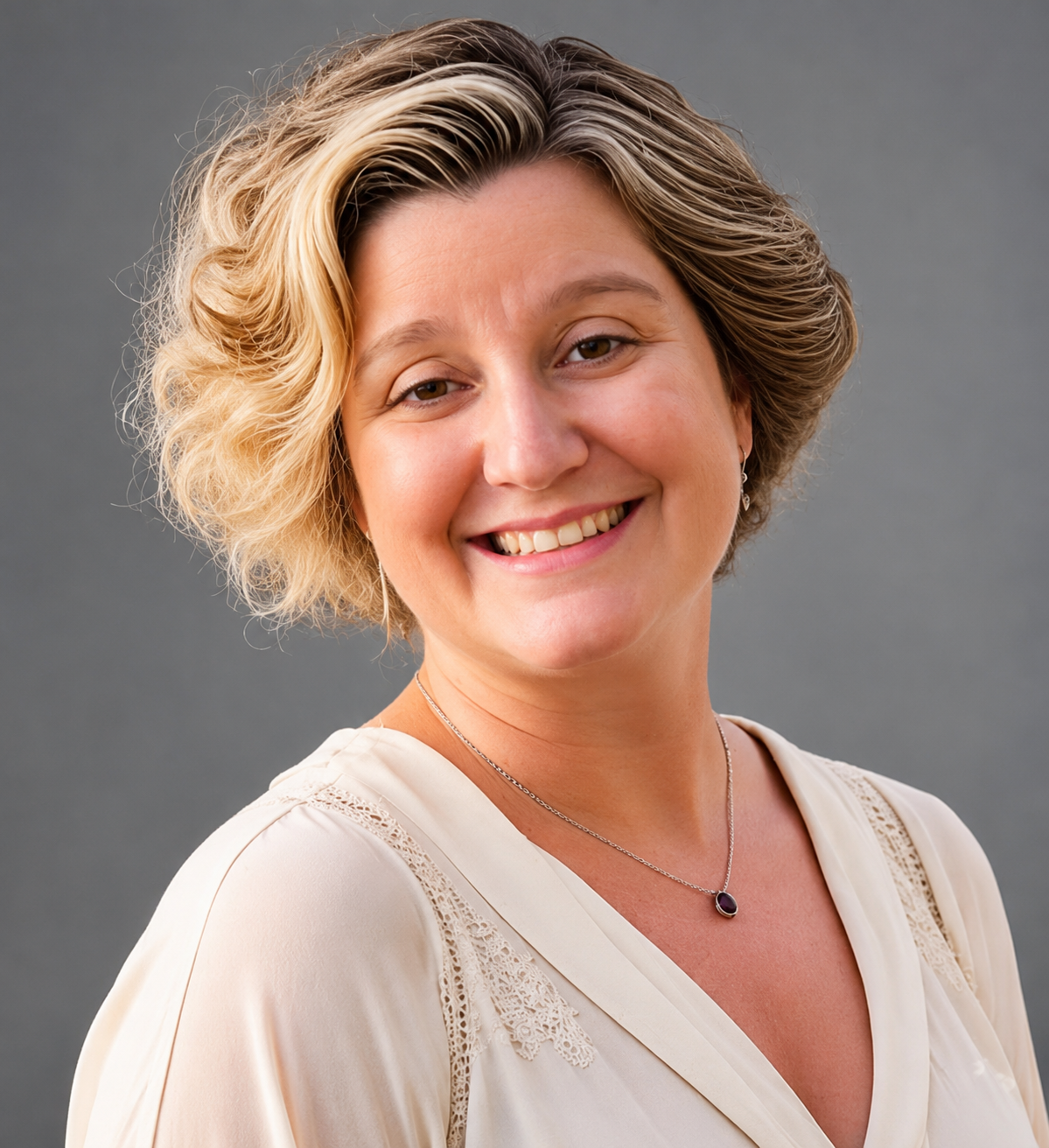
An evolving journey shaped by creativity, motherhood, faith, and the determination to keep moving forward.
Some journeys are defined by the things people create, while others are shaped by the experiences that change how they see the world. For Nichole Grzych, both have played an important role. Her journey has moved through poetry, art, writing, modelling, and entrepreneurship, while personal experiences have influenced the values and beliefs she carries into everyday life.
In 2005, Nichole founded Code Break Services, beginning a creative journey that has continued to evolve over the years. From publishing poetry and articles online to contributing to books and magazines, creating music, and maintaining an active presence across social media, she has explored different ways of expressing herself and connecting with others.
Beyond her creative pursuits, Nichole’s story is also shaped by motherhood, faith, personal resilience, and a commitment to self-improvement. In this conversation, she reflects on the experiences that have influenced her, the importance of staying connected to her beliefs, and the principles that continue to guide her life.
A Creative Journey Shaped by Experience
We wanted to understand how Nichole’s creative journey began and how it has developed over the years.
In 2005, she started her own business, Code Break Services, as its founder. She began by publishing articles and poems online and getting published in poetry books. She also gave away her handmade art and poetry books in exchange for donations and published a few songs on CD and MP3. Today, she models and writes for WordPress, Fashion Republic, Lure, and Influential Women magazines, while maintaining an ongoing Facebook presence that she considers her journal.
Family and motherhood can change the way people understand responsibility, relationships, and their priorities. For Nichole, these roles have taught her the importance of selfless love and responsibility.
Finding Purpose Through Faith and Personal Growth
Personal experiences can have a lasting influence on a person’s relationship with faith. Nichole shares that her past experiences with abuse and trafficking shaped her spiritual journey and continue to motivate her to better herself and succeed.
Living with purpose, according to Nichole, also means setting daily goals, building healthy habits, taking care of one’s body and health, and maintaining a relationship with faith. She believes in studying the Bible, following the teachings of Jesus Christ, and sharing His love.
Staying connected with others is another important part of her life. Through her writing and publications, social media presence on Facebook, Instagram, and LinkedIn, and everyday interactions at gyms, coffee shops, restaurants, stores, family gatherings, and church, she continues to build connections with people around her.
When it comes to navigating difficult times, Nichole relies on her faith and focuses on balance. She also prioritises her health through medication, vitamins, herbs, supplements, and exercise.
Her advice to others is to become independent, find answers for themselves, and build a support system along the way. She encourages people to read the Bible and daily devotionals, pray, attend church, and treat others as they would like to be treated.
A Journey Guided by Creativity and Faith
Nichole Grzych’s journey brings together creative expression, personal experiences, family, and faith. From starting Code Break Services in 2005 to exploring writing, poetry, music, and modelling, she has continued to find different ways to express herself and share her experiences.
Her reflections highlight the importance of the values that guide her: independence, self-care, faith, and responsibility towards others. While her creative pursuits continue to evolve, these principles remain central to how she approaches life.
For Nichole, personal growth is an ongoing process, shaped by everyday choices, meaningful relationships, and the determination to keep moving forward.
Conclusion
The future of business will be shaped by those willing to think differently and act with purpose. The leaders featured in this edition demonstrate how fresh perspectives, calculated risks, and a commitment to progress can influence entire industries.
Their journeys reflect the changing nature of leadership, where adaptability and the willingness to explore uncharted territory are increasingly valuable. Each brings a distinct perspective to the challenges and opportunities ahead.
As new possibilities emerge, their contributions serve as a reminder that the future is not simply something to anticipate. It is something that determined leaders have the opportunity to create.
Also Read :-