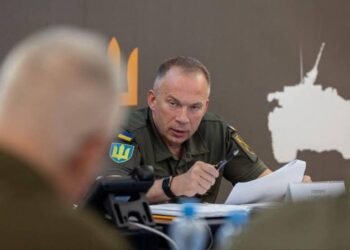
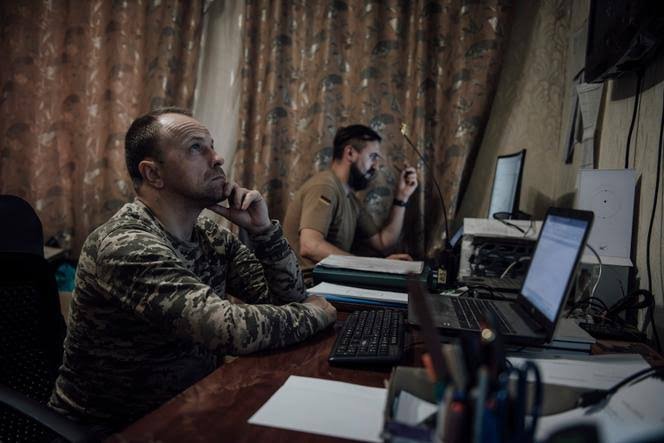
A Russian drone zips across the computer screen, frightening the commanders who are monitoring the battlefield via a live connection from their bunker. Cigaret in one hand, radio in the other, one of them summons their own drone to bring it down and alerts the soldiers below to the threat. The men are perilously exposed as they move over open ground from their front-line positions. After three months, they are replaced, forcing the Russians to retreat.
This is part of Operation Vivaldi, a Ukrainian counter-offensive that they claim has liberated 277 square kilometres (106 square miles) of the eastern Donbas region in recent months.
The name represents the offensive’s four stages, or seasons, much like the Italian composer’s violin concerto. The effective attack cut off an attempted Russian pincer movement that threatened to envelop important Fortress Belt cities still under Ukrainian control.
While Russia has been bombing Ukraine from the air this month, destroying its energy infrastructure and murdering scores of civilians across the country, Ukraine has made recent victories on the front lines. Kyiv claims to have inflicted enormous losses – 8,000 Russian casualties in Vivaldi alone, and nearly 50,000 along the front in September – while suffering few casualties in response.
Also Read:
UK Suspects Iran Participated in the RAF Fairford Tragedy, Burnham Says
Trump Rejects a Collaborative US-China AI Development Project