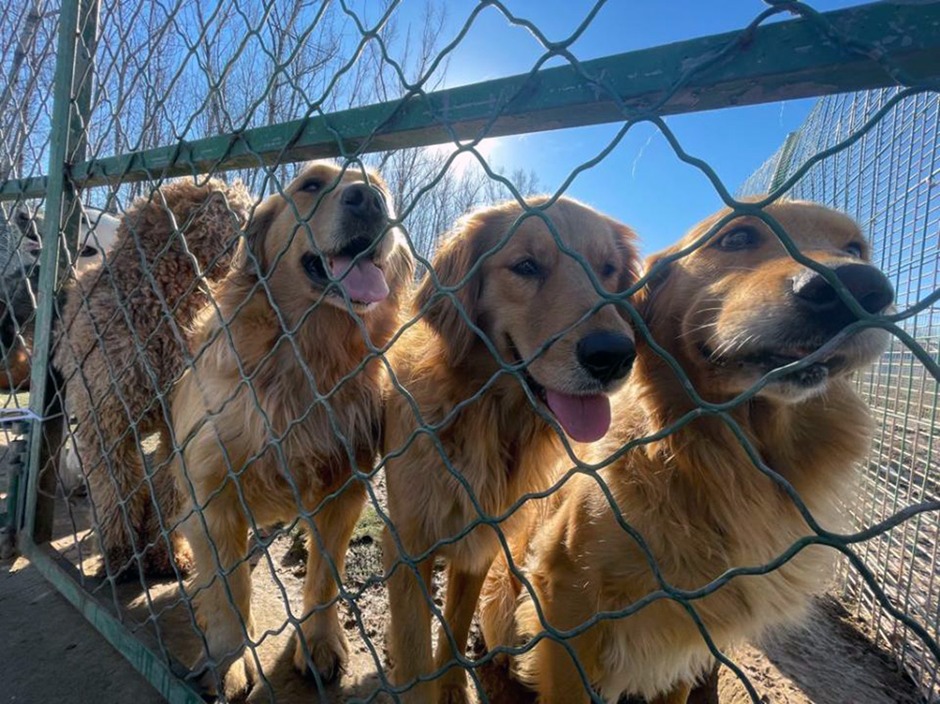
Animal welfare has become an important global concern, yet many regions still face serious challenges related to animal abuse, illegal trade, and lack of proper protection systems. In this context, organizations that operate beyond local boundaries play a crucial role.
No Dogs Left Behind NGO is one such organization that focuses on rescuing dogs from extreme conditions and creating pathways for long-term safety. Rather than working only at a local level, it addresses issues that exist across different countries.
This article explains how the NGO functions, what makes it different, and why its work is relevant today.
What Defines No Dogs Left Behind NGO
At its core, No Dogs Left Behind is a nonprofit organization dedicated to rescuing dogs that are at immediate risk. Its work is not limited to taking in stray animals but extends to intervening in situations where survival is uncertain.
The NGO operates with a structured approach that includes:
- Identifying high-risk situations
- Conducting rescue operations
- Providing medical care
- Supporting recovery and rehabilitation
- Facilitating adoption
This complete cycle ensures that rescued dogs are not only saved but also given a real opportunity for a stable future.
A Broader Scope Than Traditional Shelters
To understand the role of this NGO, it is important to recognize how it differs from typical animal shelters.
Most shelters:
- Operate within a city or region
- Take in animals that are surrendered or found
- Focus mainly on housing and adoption
In contrast, No Dogs Left Behind:
- Works across borders
- Responds to urgent rescue situations
- Handles complex logistics
- Focuses on high-risk cases
This broader scope allows the organization to address problems that local shelters may not be equipped to handle.
Rescue Model and Operational Approach
The NGO’s rescue model is built around quick response and coordination.
When a situation is identified, the organization works with local teams or partners to carry out the rescue. This may involve navigating difficult environments and ensuring the safety of both animals and rescuers.
Once rescued, dogs are moved into a controlled environment where their condition can be assessed.
This phase is critical because it determines the next steps in their recovery.
Rehabilitation as a Core Priority
Rescue alone is not enough. Many dogs require significant care before they can be adopted.
The NGO focuses on rehabilitation through:
- Veterinary treatment for injuries and illness
- Proper nutrition to restore health
- Safe shelter to reduce stress
- Behavioral support when needed
This process may take time, but it is essential for ensuring that the dogs are ready for a new environment.
A strong rehabilitation system increases the chances of successful adoption.
International Adoption Network
One of the defining features of No Dogs Left Behind NGO is its international adoption program.
Instead of limiting placements to a local area, the organization connects rescued dogs with families in different countries.
This expands opportunities and helps more dogs find homes.
The adoption process generally includes:
- Health checks and vaccinations
- Legal documentation
- Travel arrangements
- Careful matching between dog and adopter
This structured approach helps ensure that each adoption is stable and long term.
The Importance of Awareness
In addition to rescue and adoption, the NGO plays a role in raising awareness.
By sharing information about animal cruelty and rescue efforts, it helps people understand issues that may not be widely discussed.
Awareness contributes to:
- Better understanding of animal welfare
- Increased support for rescue efforts
- More responsible pet ownership
This educational aspect is an important part of long-term change.
Challenges Faced by Global NGOs
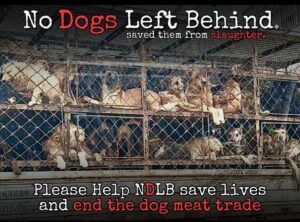
Operating at an international level brings several challenges.
These include:
- Differences in regulations between countries
- Limited infrastructure in certain areas
- High costs related to transportation and care
- Urgent situations that require immediate action
Despite these challenges, organizations like No Dogs Left Behind continue their work because of the need for intervention in critical cases.
Why This NGO Matters
The importance of No Dogs Left Behind NGO lies in its ability to address problems that go beyond local boundaries.
Its work matters because it:
- Helps animals in extreme situations
- Builds connections across countries
- Encourages global responsibility toward animal welfare
- Supports long-term solutions through adoption and awareness
This combination of rescue, care, and education makes it a significant contributor to the broader animal welfare ecosystem.
Final Thoughts
No Dogs Left Behind NGO represents a structured and global approach to animal rescue. It focuses not only on saving lives but also on creating sustainable outcomes through rehabilitation and adoption.
For individuals interested in supporting meaningful animal welfare efforts, understanding how such organizations operate is essential.
By combining direct action with awareness, the NGO continues to play an important role in addressing animal cruelty on a global scale.
FAQs
1. What is No Dogs Left Behind NGO
No Dogs Left Behind NGO is an international nonprofit focused on rescuing dogs from dangerous and abusive situations. It provides medical care, rehabilitation, and helps dogs find homes through adoption programs across different countries.
2. How is it different from local animal shelters
Unlike local shelters, the NGO operates internationally and focuses on high-risk rescue cases. It also manages complex logistics and works in areas where animal protection systems may be limited.
3. How does the NGO rescue dogs
The organization identifies urgent situations and works with local teams to carry out rescues. After that, dogs are moved to safe environments for medical care and recovery.
4. Does the NGO support adoption
Yes, it runs an international adoption program that connects rescued dogs with families worldwide. The process includes health checks, documentation, and safe transportation.
5. Why is awareness part of their work
Awareness helps people understand animal welfare issues and encourages responsible behavior. It also helps build support for rescue operations and long-term change.
Also Read :-
The Price Of Gasoline Has Reached Its Peak Since The Iran War Began
Trump Endorses Paxton In Texas, Gambling On A Challenger With Baggage In A Crucial Race