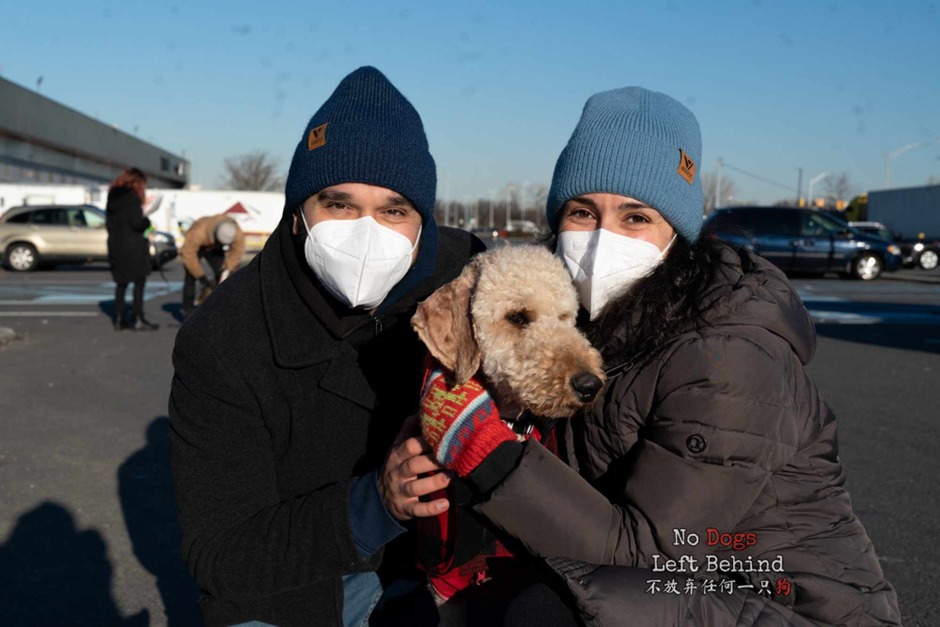
When people search for a No Dogs Left Behind review, they usually want clarity. Is the organization doing real work? Can it be trusted? How does the adoption process actually work?
These are valid questions, especially when an organization operates globally and deals with sensitive issues like animal rescue.
This article takes a closer look at how No Dogs Left Behind functions, what makes it different, and why it continues to gain attention among animal lovers.
A Different Kind of Animal Rescue Organization
Most people are familiar with local shelters that take in stray or abandoned animals. No Dogs Left Behind operates very differently.
Their work focuses on dogs in extreme conditions, including:
- Illegal transport situations
- Severe neglect cases
- High-risk environments where survival is uncertain
This type of rescue requires more than just shelter space. It involves coordination, planning, and the ability to respond quickly in urgent situations.
Because of this, their operations are more complex than typical rescue groups.
How Their Rescue Process Works
The rescue process is not a single step. It is a sequence of actions that must be carefully managed.
First, the organization identifies situations where dogs are in immediate danger. Then, they coordinate with local teams to intervene.
Once the dogs are rescued, the next phase begins. This includes:
- Immediate medical assessment
- Stabilization and treatment
- Safe relocation
This process ensures that rescued dogs are not only removed from danger but also given a real chance to recover.
Rehabilitation: The Most Important Phase
Many rescued dogs have gone through trauma. Some are injured, while others are malnourished or fearful.
No Dogs Left Behind places strong emphasis on rehabilitation.
This includes:
- Veterinary care
- Proper nutrition
- Safe and calm environments
- Time for emotional recovery
Without this stage, adoption would not be successful. Rehabilitation is what turns a rescued animal into a healthy companion ready for a home.
Adoption Process Explained
One of the key questions people have in any No Dogs Left Behind review is about adoption.
The organization offers international adoption, which means dogs can be placed with families in different countries.
The process includes:
- Health checks and vaccinations
- Documentation and compliance
- Travel coordination
- Matching dogs with suitable adopters
This is not an instant process. It is structured to ensure that both the dog and the adopter are a good fit.
Why Adoption Involves Costs
Adoption is not free, and this sometimes creates confusion.
However, the costs are not profit-based. They typically cover:
- Medical care
- Vaccinations
- Transportation
- Documentation
- Shelter expenses
No Dogs Left Behind follows a system where these contributions help fund future rescues.
This creates a cycle where one adoption supports the next rescue effort.
Transparency and Public Updates
Trust is built through transparency. One of the noticeable aspects of No Dogs Left Behind is their regular communication.
They share:
- Updates about rescue missions
- Photos and videos of rescued dogs
- Stories of recovery and adoption
This allows supporters to see the actual work being done rather than just reading about it.
It also helps create a stronger connection between the organization and its audience.
Strengths of the Organization
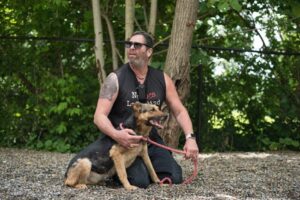
Based on this review, several strengths stand out.
First, their focus on high-risk rescues makes a significant impact. They are helping dogs that might not survive otherwise.
Second, their structured approach to rehabilitation ensures better outcomes for the animals.
Third, their global adoption network expands opportunities for rescued dogs to find homes.
Finally, their consistent updates improve trust and visibility.
Things to Keep in Mind
Like any organization, there are aspects that can improve.
For example:
- More detailed reporting could help new supporters
- Clearer explanations of processes could reduce confusion
- Expanding awareness would increase their reach
These are not major issues, but areas for growth.
Overall Impression
After reviewing all aspects, No Dogs Left Behind appears to be a mission-driven organization focused on real impact.
Their work is not limited to simple rescue. It involves a complete system that includes intervention, recovery, and rehoming.
For individuals who want to support meaningful animal welfare efforts, this organization presents a strong option.
Final Thoughts
A proper review should look beyond surface-level impressions.
No Dogs Left Behind shows consistent effort, visible results, and a structured approach to animal rescue.
While it is always wise to do personal research, the available information suggests that the organization is committed to its mission and continues to make a difference.
FAQs
1. Is No Dogs Left Behind a trustworthy organization
No Dogs Left Behind shows consistent activity through rescue updates, adoption stories, and public communication. While everyone should do their own research, the organization demonstrates transparency and ongoing work in animal rescue.
2. How does their adoption process work
The process includes rescue, medical care, rehabilitation, and then matching dogs with families. It also involves documentation and travel arrangements to ensure safe and legal adoption across countries.
3. Why does adoption involve fees
Fees help cover medical treatment, vaccinations, transportation, and shelter care. These contributions also support future rescues, making the process sustainable over time.
4. What kind of dogs do they rescue
They focus on dogs in extreme situations such as trafficking, abuse, or severe neglect. Many of these animals require immediate help and long-term care.
5. Can I support without adopting
Yes, people can support by donating, volunteering, or sharing awareness. Even spreading information about their work can help increase visibility and impact.
Also Read:-
Massive Alaska Megatsunami Was The Second Greatest Ever Recorded
Ted Turner, Media Entrepreneur Who Revolutionized Television News By Establishing CNN, Died At 87