With the help of advanced gene therapy, Yas Clinic and the Abu Dhabi Stem Cells Center (ADSCC) have shown encouraging results in treating thalassaemia. Fahad, a 43-year-old patient, is no longer dependent on frequent blood transfusions to manage his condition. Fahad had transfusion-dependent thalassaemia for a long time; in order to keep his haemoglobin levels steady, he needed blood transfusions every three to four weeks. His general health and quality of life were affected by a number of long-term transfusion-related problems, such as iron overload and the requirement for regular iron chelation therapy, in addition to the continuous burden of treatment.
Fahad was referred to Yas Clinic and ADSCC about a year and a half ago, when both organisations were attempting to bring cutting-edge gene therapy therapies to the United Arab Emirates. One of the most important developments in the treatment of inherited blood disorders is gene therapy, which may provide a long-term solution for individuals who might not have access to a suitable donor for bone marrow transplantation.
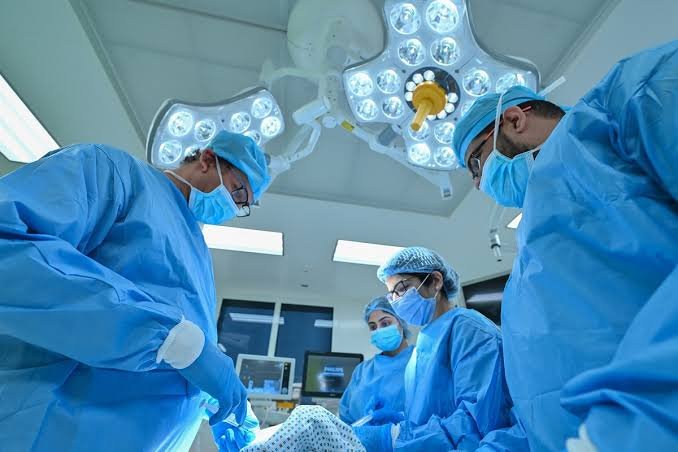
Fahad was determined to be a good candidate for gene therapy after thorough medical evaluations, intensive testing, and thorough interdisciplinary assessments. His course of treatment coincided with national initiatives, backed by the UAE’s government and Department of Health, to bring this cutting-edge therapy to the country, opening up new avenues for patients to receive cutting-edge care nearer to their homes. Fahad’s own stem cells were harvested for the procedure, genetically altered, and then reinfused after preparatory therapy. The method, which is comparable to an autologous transplant, uses the patient’s own genetically altered cells to treat the disease’s root cause.
Also Read:
Inside Ukrainian Assault Driving Russia Back with Starlink Playing a Crucial Role